From Tension to Trust: How a Title 1 District Transformed Student-Teacher Relationships
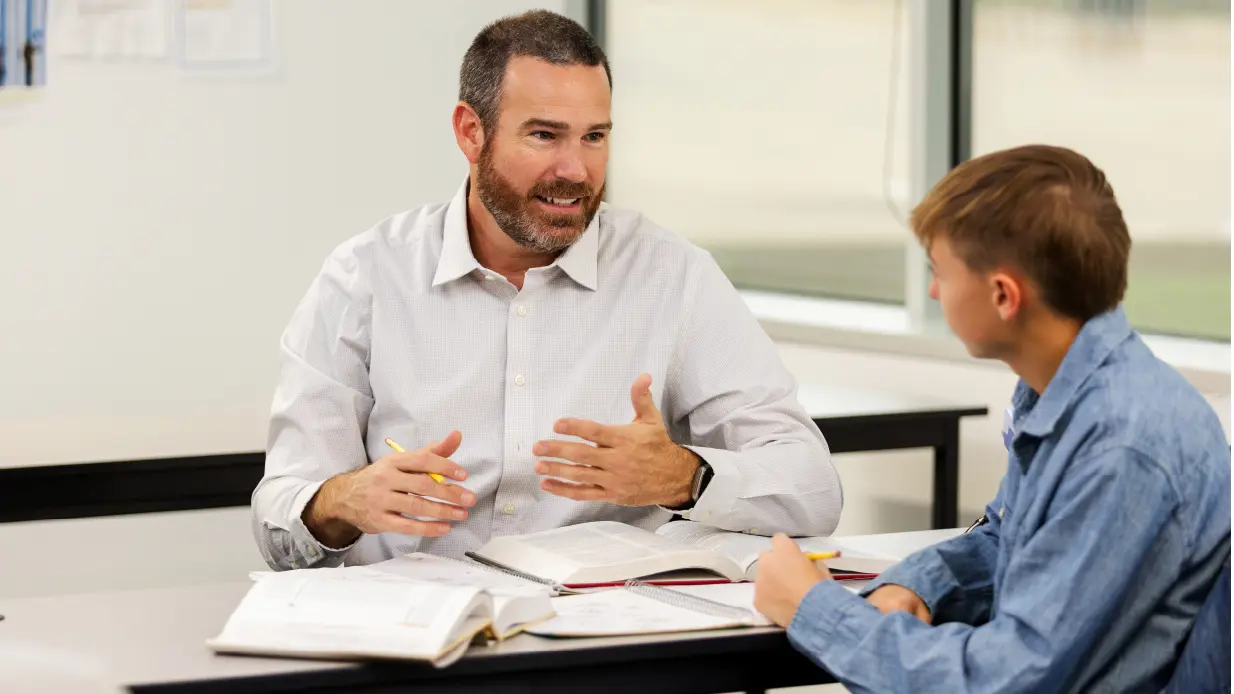
At Glendale Elementary School District in Glendale, AZ, Lydia Horstman, Director of MTSS and School Culture, knew something had to change. The districtwide data uncovered a clear pattern—recurring issues stemmed from student defiance, disrespect, and disruption.
"Those types of behaviors told me that the relationship between students and teachers was either broken or never created," Horstman said. “If a student has a strong relationship with their teacher, they’re far less likely to act out in disruptive ways.”
The district had foundational frameworks, such as PBIS and MTSS, in place, but post-COVID realities presented new challenges. Incoming staff weren’t equipped to support students effectively and existing systems didn't address the reasons behind behavior—the crucial piece to creating impactful change.
Having implemented CPI courses in the past, Horstman turned to Classroom Culture™ to fill in the gaps.
Delivering a Successful Districtwide Rollout
Horstman led the districtwide implementation of Classroom Culture across all 12 K-8 schools. To date, more than 1,000 staff members—including teachers, administrators, psychologists, Social-Emotional Learning (SEL) specialists, and support personnel—have been trained.
And that training is paying off. Since implementing Classroom Culture:
- 95% of staff say they now have adequate strategies to address discipline issues before involving the front office.
- 80% agree there is equity in how consequences are applied.
- 94% report their school recognizes students for positive behavior and achievement.
"Our superintendent made the training a priority and we dedicated the appropriate time and resources to implement it effectively, which were crucial to its success," Horstman said.
Additionally, instead of asking staff to complete the training all at once, Horstman phased the rollout across summer, in-service training week and fall and spring professional development sessions. “My behavior specialists became CPI Classroom Culture Certified Instructors and they delivered the training across the district in modules, which made it easy to digest,” Horstman said.
To ensure long-term sustainability and that all teachers received the training, Horstman and Principal Coach, CheriDawn Emerson, partnered together to embed Classroom Culture into the district's new teacher induction program. "We took CPI’s slides and content and aligned them with what we were already doing," Horstman said.
Creating Seamless Integration with PBIS and MTSS
Another key to their districtwide adoption success? Instead of treating Classroom Culture as a standalone program, Horstman embedded its practices into existing support systems, including MTSS and PBIS, which she used to guide behavior-specific strategies. For example:
- Preventative tools became early interventions in school behavior flowcharts.
- CPI vocabulary was embedded in classroom management walkthrough tools.
- Practices like Sustainable Routines were layered into professional development plans.
"We didn’t want it to feel like ‘one more thing tacked on,’" Horstman said. "We wanted it to feel like ‘this is an important part of what we already do.’"
6 Principles to a Trauma-Informed Approach in School
When shaping a trauma-informed school, these approaches serve as a foundation to creating a safe, healthy learning environment for both students and staff.
Download ResourceDriving Year-Round Reinforcement
Horstman didn’t stop at one training for educators. She and her team designed an ongoing professional development structure to ensure the latest skills remain top-of-mind for the entire staff:
- Refresher professional development sessions are required throughout the year.
- Behavior specialists/Certified Instructors conduct one-hour booster trainings as needed.
- Classroom Culture content is prominently featured in weekly districtwide newsletters.
"We built the training into our professional development calendar and budget because long-term change doesn’t happen by accident," she said. “You have to plan for it."
Building a Culture of Relationships
For Horstman, the most profound impact has been a mindset shift regarding the adult-student relationship. It’s important to understand why students behave a certain way and learn how to manage our own behaviors."
She credits Classroom Culture for helping educators:
- Build trust with students, especially those facing trauma and poverty.
- Develop consistent language and expectations across classrooms.
- Understand their own behavioral triggers and model calm responses.
"We’re a Title I district. Many of our students experience trauma, instability, or homelessness. School needs to be their safe space," Horstman said. "It’s important that they know there are adults here who care about them and Classroom Culture training helps promote that."
Adapting the Training Tools
Flexibility was also critical to districtwide buy-in. Horstman gave schools the freedom to choose which interventions best fit their style, while keeping core expectations tight.
"It’s a toolbox. Some staff focus on limit setting, others on the 30-second intervention. The ‘how’ is flexible, but the ‘why’ is consistent."
She also encouraged schools to reinforce CPI practices in campus communications. Some sites include Classroom Culture tips in principal newsletters. Others make various training modules a weekly staff focus.
Transforming Culture Through Commitment
Horstman understands why some districts may struggle with implementation. Her advice?
"Training alone isn’t enough. You need to set a districtwide expectation and create a sustainable plan. Embed it into your systems. Align it with your data. Don’t make it feel like a brand-new thing—make it feel like the best version of what you’re already doing.”
"This isn’t a quick fix," Horstman said. "But if you stick to it, the results speak for themselves. Classrooms are calmer, student and teacher relationships are stronger and we’re seeing the benefits across schools.”
Schedule a Consultation
Learn how CPI’s training programs can benefit your organization.
Let's Connect