10 Effective Tips for Dealing with Bullying in Schools
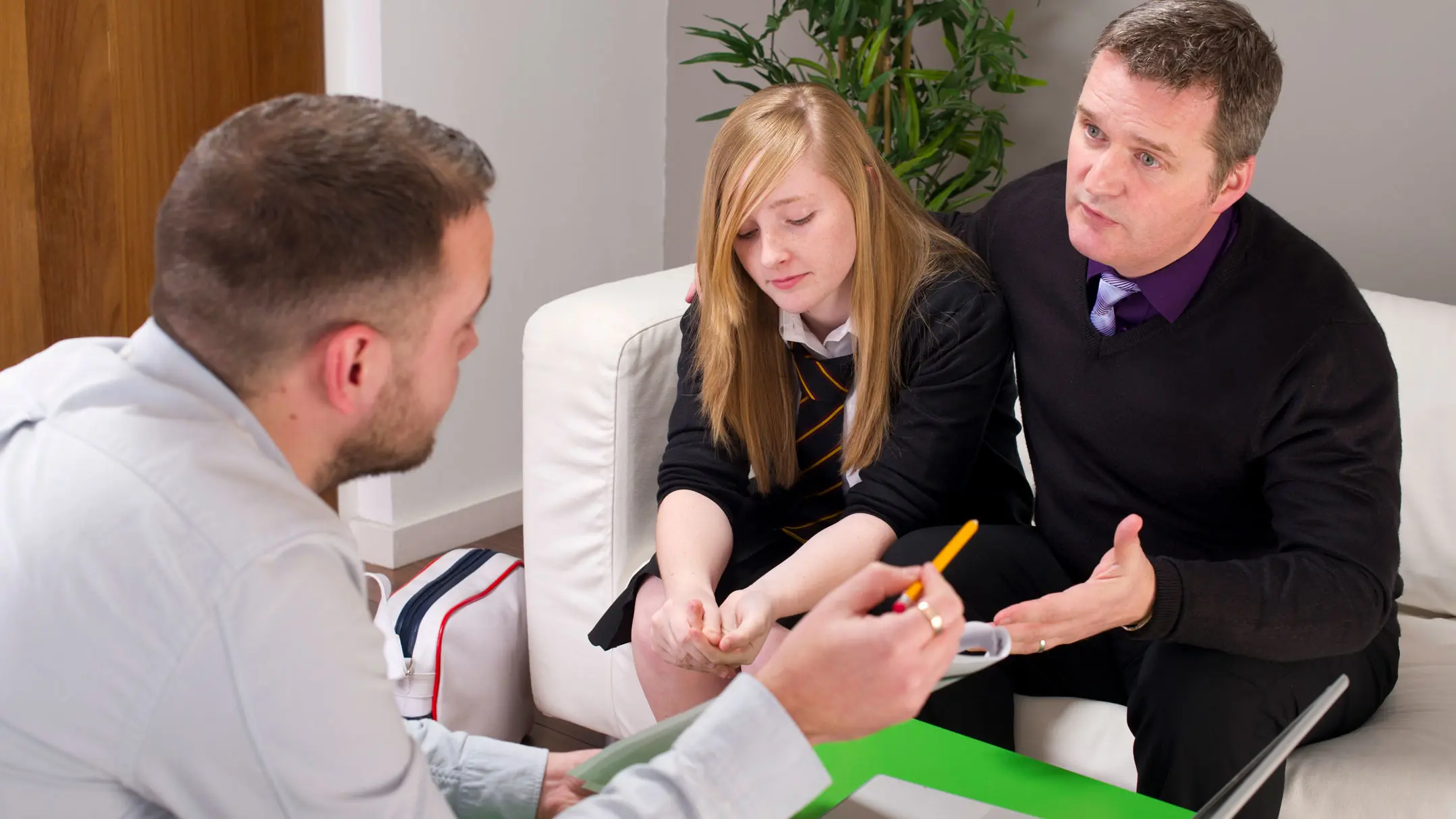
“Kids will be kids” is an age-old saying that suggests bullying is a normal part of growing up. Yet bullying has become a dangerous, life-threatening epidemic that many children cannot get away from. And with parents, politics, and the media involved, it is often difficult for teachers and schools to know how to take a stand and reduce bullying.
Learn how teachers and staff can reduce bullying in schools by ensuring students thrive in a safe, caring environment where they are free to learn and grow.
1. Deal with Bullying in Schools by Having Clear Definitions
40% of young people were bullied in the last 12 months. Bullying can occur on a random or regular basis, whether daily, weekly, or monthly. One in 10 students who are bullied experience it daily, while one in five are bullied once or twice a month 6% of all young people in the UK have experienced bullying daily and 9% experienced it between once a week and once a month.
All year groups can experience bullying, which is why it is important for a local authority to use the same language and definitions within its schools.
CPI defines bullying as intentionally aggressive behaviour that involves a real or perceived imbalance of power.
Bullying can be physical, verbal, nonverbal, or relational. Contrary to popular belief, bullying is different than teasing. Teasing is often reported by students more frequently than bullying since it is done to irritate or provoke (Sweeting and West, 2001). Bullying, on the other hand, involves the real or perceived imbalance of power.
Bullying can take the form of:
- Threats
- Teasing
- Name calling
- Pushing
- Hitting
- Cyberbullying
Bullying can also include relational incidents like gossiping and purposeful exclusion from events. While physical bullying can leave noticeable marks, relational bullying can leave hidden wounds that are often harder for teachers to notice. And with the rise of phone usage in school, relational cyberbullying has become an even bigger challenge.
Cyberbullying is the use of digital technology to bully someone else. The most common form of bullying is name calling which includes via text and email with 26% of pupils reporting experiencing this. Schools should ensure that bullying prevention efforts are stressed when it comes to cyberbullying.
By having a clear definition of bullying, staff can know what to look out for to better support students.
2. Deal with Bullying in Schools by Addressing Negative Behaviour Without Judgement
Teachers and staff can unintentionally place judgement on a student when they use labels like “bully” or “victim.” This is why it is vital for staff to address student behaviour in a nonjudgemental way.
To do this, first find out what happened before deciding whether the incident qualifies as bullying. Looking at the specific behaviours that occurred is important so they can be addressed at a later time.
Keep in mind that each student involved in a situation comes from different circumstances. Everyone has baggage. There may be a reason why the child who engages in bullying behaviour is acting this way.
When addressing an incident, it is best to involve the student who is doing the bullying. They need to know how their actions and behaviours negatively impact the student they are bullying. If the behaviour continues, parents or guardians will need to be involved.
When teachers address the negative consequences of specific behaviours, such as disrupting the classroom or harassing other students, students can recognise what behaviours need to stop.
3. Deal with Bullying in Schools by Enforcing Clear Expectations
Age-appropriate rules allow students to know what behaviour is expected. When students are younger, for instance, it is best to keep the rules simple. When they are older, shape the rules to help them meet their maturity level.
Scheuermann and Hall (2008) have created a list of suggestions for writing rules within a Positive Behavioural Interventions and Support (PBIS) framework:
- State the rules in positive terms.
- Keep the number of rules to a minimum (3 to 5, depending on age).
- Set rules that cover multiple situations.
- Make sure the rules are age appropriate.
- Teach students the rules.
- Set an example for rule-following behaviour.
- Be consistent in enforcing the rules.
These guidelines help set a tone for the classroom. Rules and consequences should be clearly stated as students need to know what will happen if they engage in certain negative behaviour. By establishing clear rules and reinforcing why behaviours are unacceptable, teachers and staff can help prevent and reduce incidents of bullying.
4. Deal with Bullying in Schools by Praising Positive Behaviour
When a student does something bad, it is easy to point it out. At the same time, not many people choose to reinforce good behaviour, simply because it is expected. This is one area where staff can make a noticeable impact. When a child is getting into trouble frequently, “catching them being good” can reinforce the behaviour (Mahoney, 2012).
Reinforcing good behaviour will give students clear expectations about what you want in a positive way.
5. Deal with Bullying in Schools by Supporting Open Communication
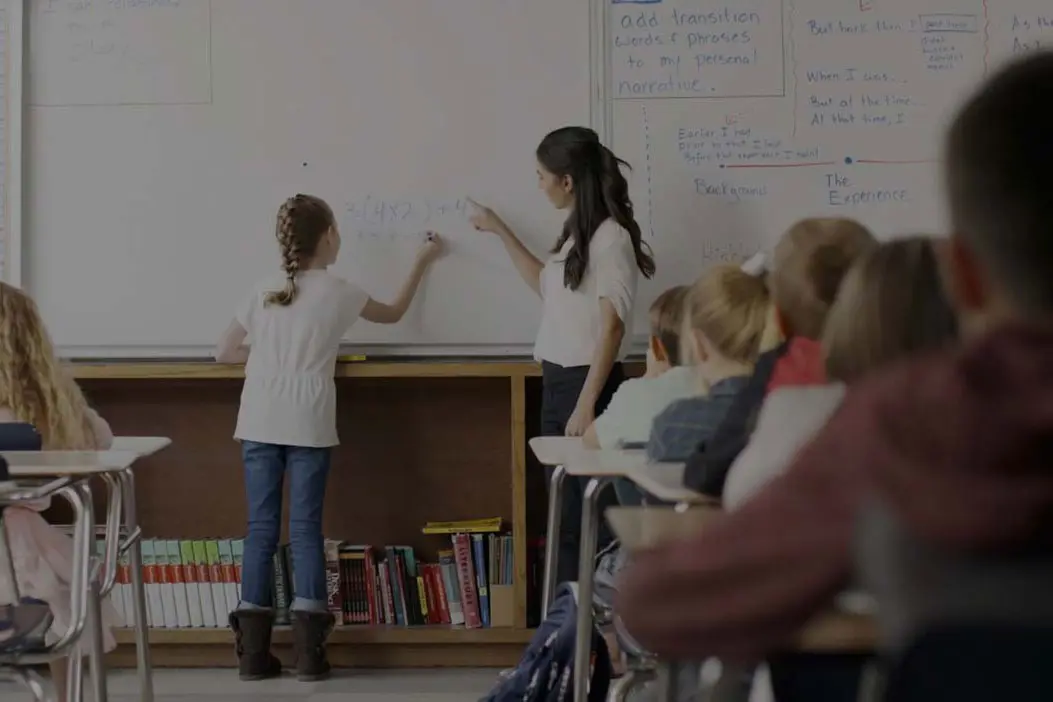
Communication is key to building trust. When teachers employ an open communication policy in the classroom, students will feel more open to talking to their teachers about their problems—including bullying. Having classroom meetings and one-on-one conversations are a couple of effective ways to build that communication.
Classroom meetings provide a way for students to talk about school-related issues beyond schoolwork. These meetings can help teachers and parents stay informed about what is going on at school and in the student’s life.
For these meetings to be the most impactful, staff will need to use empathetic listening. Students want to know they’re truly being listened to, and they want to feel supported. They also need to feel welcome and comfortable to speak with their teachers one-on-one, especially if they feel they are being bullied.
A student who is being bullied might not feel comfortable saying something in front of the whole class. They also may feel uneasy or worried if the student who is doing the bullying is also in the classroom meeting.
For this reason, schools need to use adequate reporting systems that are easy to use and confidential. They need to encourage teachers and staff to report any incidents that occur. This way, the school can do a better job of protecting students and prevent bullying incidents from reoccurring. Reporting also helps track individual incidents and responses to detect trends. By applying this system, future incidents can potentially be prevented.
As staff and teachers work to reduce and prevent bullying, keep in mind that communication is not just verbal. Nonverbal cues may include decorations, signs, and the school’s physical interior and exterior. These nonverbal cues can send a strong message to students and parents about whether the school fosters a positive environment. If it does not send a good message, bullying is more likely to occur.
6. Deal with Bullying in Schools by Building Rapport with Parents
Many people are involved in children’s lives. When these people work together, a significant difference can be made in a child’s life. But it can be tricky for teachers to know how to best communicate with parents about their child’s behaviour. Thus, teachers and staff need to build a strong rapport with parents.
Staff can help build rapport with parents by sending invitations to participate in different events or by having parents play a specific role in their child’s activities (Mahoney 2012).
Keeping parents informed about their child’s grades, friends, behaviour, and attitude in school is an important way to include them. Together, parents and teachers can provide a consistent approach to introduce more productive and appropriate behaviour. It also helps a message sink in with a child. By having open conversations with students about the harms of bullying, they can recognise when someone else is being bullied and what they can do to help.
7. Deal with Bullying in Schools by Identifying Signs of Bullying Early
When bullying occurs, there may be warning signs that teachers and staff can be aware of. Ask these questions:
- Are you constantly breaking up behaviour/incidents between the same students?
- Do you ever find the underlying cause of what is really going on?
- Have there been any significant changes in a student’s attitude and/or behaviour?
When a student is being bullied, their behaviour may communicate their distress. A student experiencing bullying may:
- Have unexplainable injuries
- Frequently have headaches or stomach-aches
- Experience changes in eating habits
- Have difficulty sleeping
- See declining grades
- Loose an interest in school and friends
If a student is bullying someone, their behaviour may include:
- An increase in fights with other students
- More aggressive actions, which require them to be sent to the headteacher
- Blaming others for their situation
- Refusing to take responsibility for their own actions
8. Deal with Bullying in Schools by Being Consistent in Your Approach to Bullying
Most times, teachers and staff are the ones who break up incidents when they occur at school. It is important to separate all students involved so you can gather the facts individually.
Remember that there are often bystanders when incidents happen. These students may encourage and reinforce the behaviour of bullies (Mahoney, 2012). It is often easier to first remove the bystanders and then chat with the students involved in the incident.
Once you have calmed down the scene, interview the bystanders. When you listen, be sure to show empathy and remember you do not know all the circumstances. Then, hear the story from the students involved in the incident.
Bullying will rarely end right away. Be persistent and consistent about stopping it, follow through with consequences, and follow up with students after incidents. Doing this shows students that you genuinely care about their safety and well-being.
9. Deal with Bullying in Schools by Supervising Bullying Hot Spots
There are certain places where bullying is more likely to occur. This will differ between schools, for some it may mostly take place in the corridors or stairwells, others the canteen or outside of school grounds
Staff and teachers can help reduce bullying by knowing where it often happens and what signs to look out for. When there are straightforward ways to report bullying, students can feel safe coming forward if they see or experience it.
10. Deal with Bullying in Schools by Knowing the Law & Your Behaviour Policy
Today, in the UK some forms of bullying such as assault, theft and hate crimes are illegal and should be reported to the police. Staff must be aware of any legal responsibilities and so it is essential they’re familiar with the law and when to report an incident to the police.
By law, all state schools must also have a behaviour policy in place that includes measures to prevent all forms of bullying among pupils.
This policy is decided by the school. All teachers, pupils and parents must be told what it is so that all stakeholders of the school are on the same page and students feel safe.
CPI Training can help provide teachers and staff with the training needed to address incidents of bullying in a trauma-informed manner. Schedule a conversation with us to learn how CPI can support your school.
Additional resources you may be interested in:
- Why Does Bullying Happen & What Can We Do About It?
- One Kind Word - What We Can Do to End Bullying Behaviour
References
- Mahoney, M. (2012). Part I—An overview of bullying and guidance for its prevention.
- Mahoney, M. (2012). Part II—Cyber-bullying.
Schedule a Consultation
Learn how CPI’s training programmes can benefit your organisation.
Let's Connect