CPI Essential Care and Support™
Give staff the skills to provide personal care safely and with dignity.
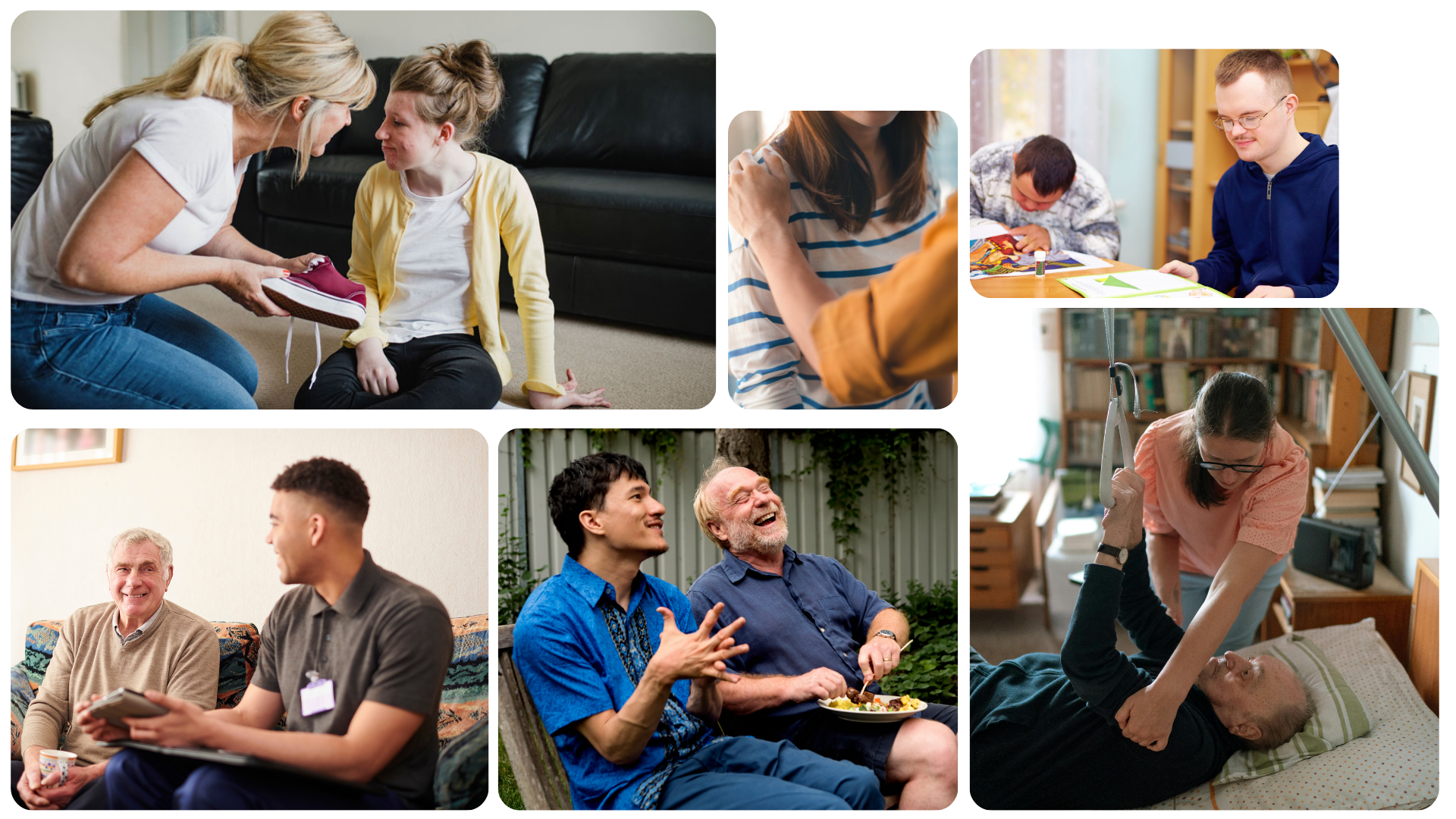
Delivering Safe, Person-Centred Essential Care
Our training programme equips staff to deliver safer, person-centred care during everyday activities such as bathing, dressing and continence support, with clear strategies to reduce distress and safely support individuals who may resist assistance.
It is particularly valuable in 1:1 personal care settings, especially in community or home environments where staff may be working alone and need to respond confidently to unexpected resistance. The programme helps organisations reduce risk, uphold dignity and meet legal responsibilities.
Ideal for domiciliary care, residential and nursing homes, supported living services and specialist learning disability providers.
Training Outline
Key Features of the Training
Support Essential Care Staff
Promote Independence and Dignity
Structured Continuum of Support
Application of Skills
Dressing & Undressing
Turning and Lower Leg Care
Personal Care
Essential Care and Support Webinar
Discover how CPI's speciality training helps you to ensure maximum safety and dignity while assisting individuals with cognitive disabilities and/or decline with Activities of Daily Living (ADLs).
How It Works
Our Training Approach
Built around your needs and designed to scale, we start with a free Training Needs Analysis and recommend the right delivery approach for long-term capability.
Sarah Stroud
Bondcare County Homes
Related Training Programmes
Popular with Similar Organisations
An evidence-based, person-centred dementia and behaviour training programme for front-line health and social care staff.
A prevention-focused programme that trains staff to respond to crisis situations using verbal de-escalation skills and strategies.
A programme that equips staff with de-escalation skills, restrictive and/or non-restrictive interventions to manage crisis situations safely.
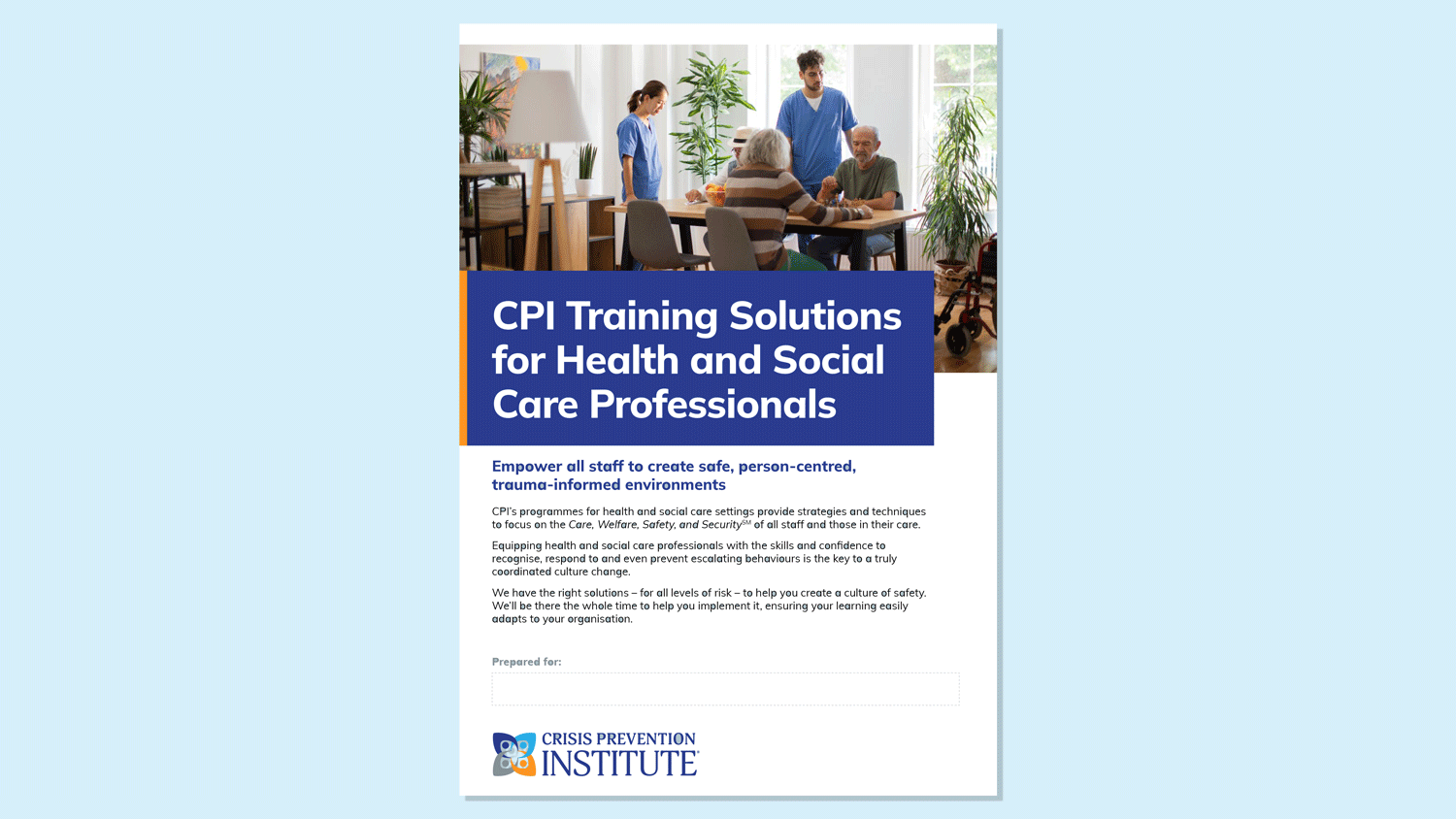
CPI Health and Social Care Behaviour Training Brochure
Download our free brochure and learn how to empower all staff to create safe, person-centred, trauma informed enviroments.