CPI's Crisis Development Model
What Is the Crisis Development Model?
The Crisis Development ModelSM is CPI’s foundational framework, designed to help staff understand and respond to escalating behaviour in a calm, structured way.
It outlines four recognisable levels of behaviour that often occur in the lead-up to a crisis, each with an appropriate staff response. This helps teams anticipate what’s coming, rather than simply reacting, making it possible to reduce harm and build trust.
At the heart of the model is the belief that how we respond makes all the difference. There’s no one-size-fits-all approach, staff must tailor their actions based on what the individual is experiencing at each stage. This person-centred approach is essential for promoting Care, Welfare, Safety and SecuritySM for all.
The Four Behaviour Levels of the Crisis Development Model
- Anxiety- Recognise Early Changes
What it looks like: fidgeting, withdrawal, restlessness, silence or a noticeable change in behaviour or mood.
Staff response: provide support. Use a calm tone, empathetic body language and active listening to help the person feel seen and understood. Early connection here can prevent escalation.
- Defensive Behaviour- Set Clear Boundaries
What it looks like: challenging language, refusal, verbal aggression, pacing or resistance.
Staff response: dffer directive guidance. Stay respectful but firm, set clear limits and avoid power struggles. The goal is to create structure and reduce uncertainty, which can ease defensiveness.
- Risk Behaviour- Maintain Safety
What it looks like: behaviour that presents a risk to the person or others, including physical aggression or unsafe actions.
Staff response: use CPI Safety Intervention™ skills as trained. These may include physical intervention (as a last resort), but should always aim to minimise harm and maximise safety. Decisions here must be ethical, necessary and in line with CPI guidance.
- Tension Reduction- Support Recovery
What it looks like: signs of calming down, slowed breathing, quieter tone, physical stillness or emotional fatigue.
Staff response: build therapeutic rapport. Reconnect with the individual through quiet conversation, reassurance or reflective space. This is also a time for staff debrief and learning, what worked, what didn’t and how to improve next time.

Safety Intervention™
This training teaches staff de-escalation skills, non-restrictive and restrictive interventions
Why the Crisis Development Model℠ Matters
Using this model as the foundation, staff are better equipped to respond with confidence, care and clarity leading to long-term outcomes:
- Prevents escalation: Staff can spot signs early and take action before behaviour becomes unsafe.
- Improves safety: A structured approach protects everyone involved, individuals in distress and the professionals supporting them.
- Promotes dignity and respect: Empathetic, non-judgemental responses support trauma-informed and person-centred care.
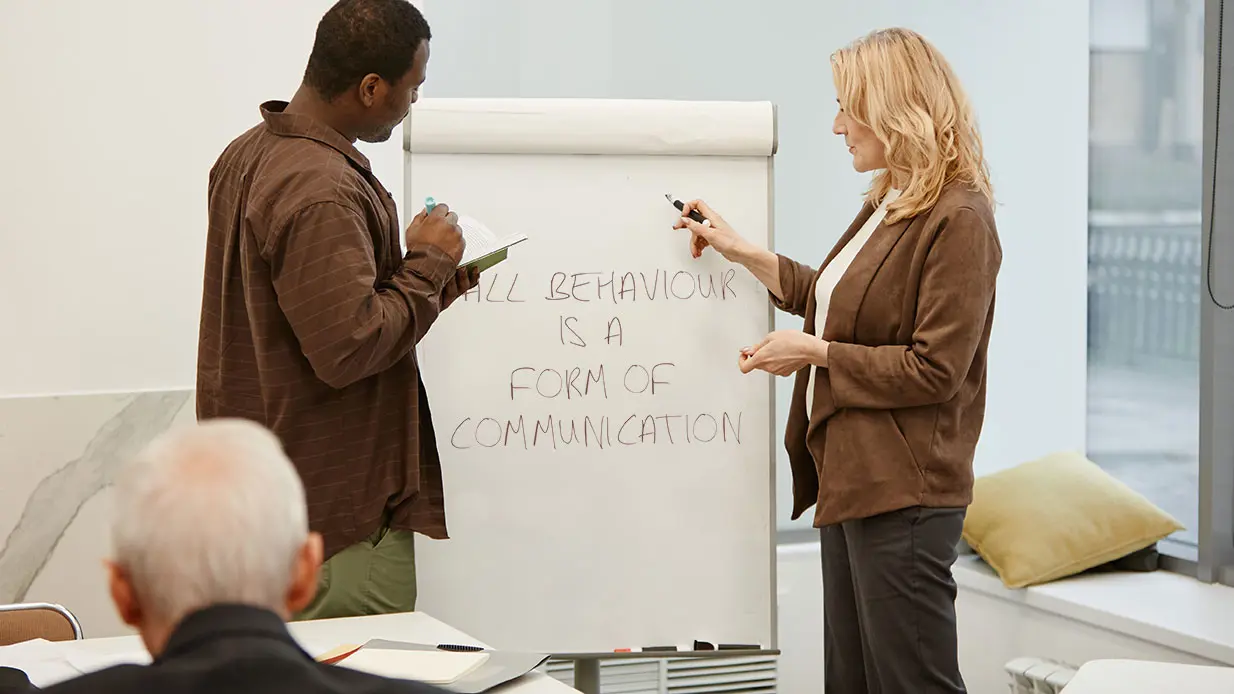
- Supports deeper understanding: Recognising behaviour as communication helps staff understand root causes and triggers.
- Encourages learning: Post-crisis reflection leads to improved responses over time and stronger team confidence.
CPI’s Crisis Development Model℠ changes how we view and respond to challenging behaviour. It offers a clear, compassionate framework for intervention, turning difficult moments into opportunities for calm, connection and long-term change.
With the right behaviour management training and mindset, teams can feel confident in their responses, reduce harm and create environments where everyone feels safe and supported.
Looking to build safer, more confident responses in your service? Learn how CPI training can support your team.
Connect with our team today to learn more about how CPI training can benefit your organisation.