The Power of the Integrated Experience: A Trauma-Informed Approach to Behaviour Management

Behaviour doesn’t happen in a vacuum, it impacts and is influenced by the behaviour of others. At CPI, we describe this dynamic as the Integrated Experience: the idea that one person’s behaviour can shape the responses and outcomes of everyone involved. In the context of behaviour management, especially within trauma informed care, understanding this concept supports safer environments, more effective responses and deeper connections.
This blog explores how the Integrated Experience influences behaviour management practice, helping staff respond with awareness, reduce stress contagion and support healing and deescalation through intentional behavioural choices.
What Is the Integrated Experience in Behaviour Management?
The Integrated Experience refers to the way behaviour influences behaviour, how your responses affect others and in turn, shape the environment around you. This means recognising that while you cannot control another person’s actions, you can choose how you respond. That choice ripples outward, affecting emotional states, tension levels, engagement and overall outcomes. Recognising this dynamic enables staff to respond in ways that reduce stress, prevent escalation and promote connection.
Why Stress Is Contagious and How the Integrated Experience Helps
Stress isn’t just felt, it’s shared. When someone is distressed, their nervous system sends non-verbal cues that others can unconsciously pick up on. Human brains are wired to respond to social signals, and without strategies to moderate our own reactions, stress can spread quickly between people.
The Integrated Experience helps staff practise peace, responding with calm intention, regulated behaviour and awareness of how their presence influences the people around them. This reduces the likelihood of a stressful situation escalating into crisis.
How One Behavioural Choice Can Shift a Crisis
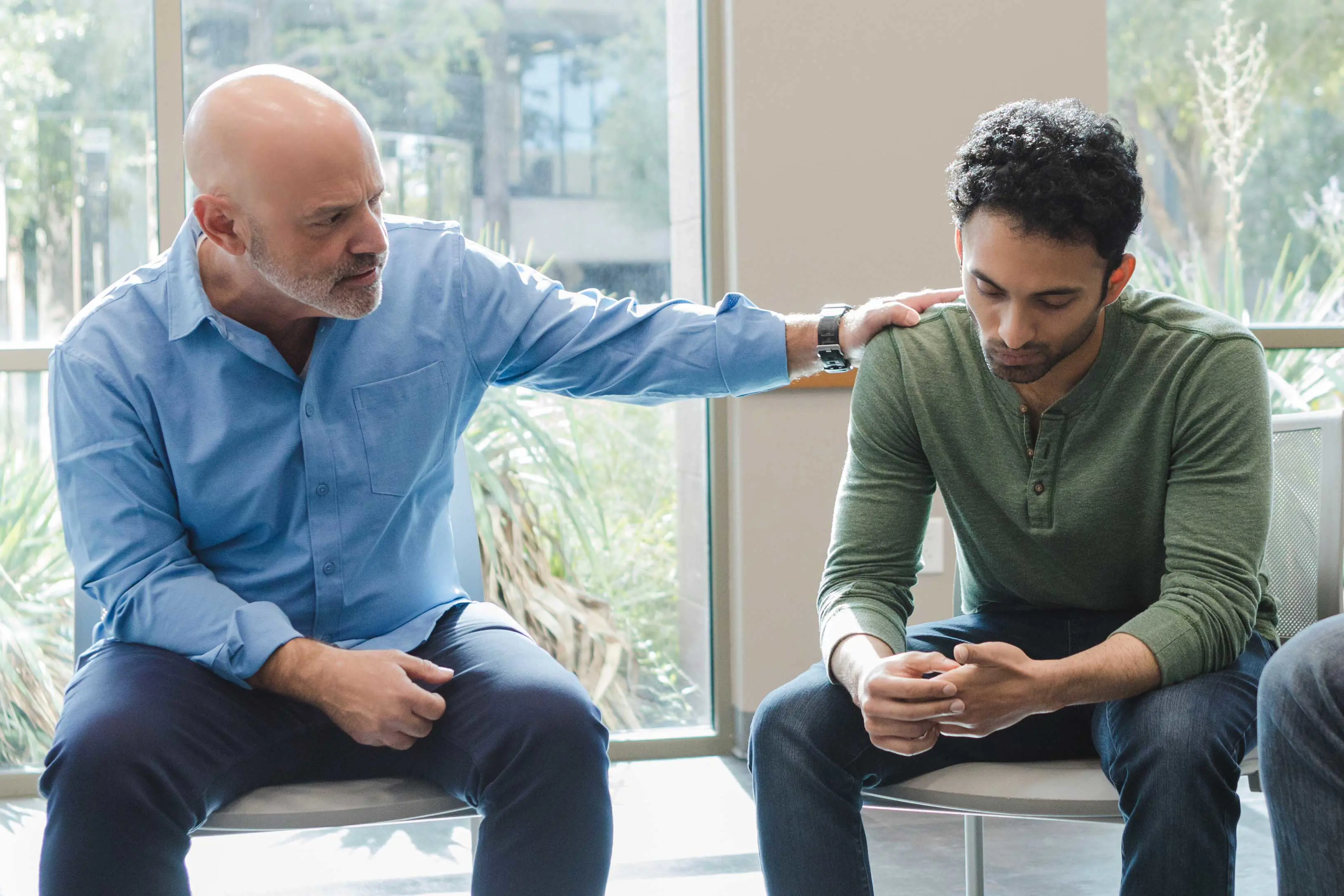
One intentional behavioural choice can redirect the path of an interaction, from escalation to engagement, from conflict to calm. This could be a gentle tone, open posture, or a moment of empathic acknowledgment. These seemingly small responses can shift the emotional atmosphere and influence the behaviour of others.
Behaviour management is not about control; it’s about appropriate influence through mindful, trauma aware choices.
Core Non Verbal Communication Cues That Support De-Escalation
Nonverbal behaviour is a powerful communicator, often speaking louder than words. Key cues that support deescalation include:
- Respectful personal space: Allowing room helps people feel safe and grounded.
- Open body language: Relaxed posture and gentle movements reduce perceived threat.
- Facial warmth and neutral expression: These signal presence without judgement.
- Controlled tone and pace of speech: Calm, clear communication is easier to process under stress.
When staff attune to nonverbal cues, both their own and others’, it enhances connection and reduces tension.
4 Tips for De-Escalating Behaviours
Trauma Informed Care Through the Lens of CPI Crisis Development Model℠
The Integrated Experience is closely linked to the Crisis Development Model℠. This model recognises that behaviour often progresses through predictable levels and that early, trauma aware responses can prevent escalation.
By responding compassionately at the earliest stages of behaviour change, staff can support individuals before stress intensifies, decreasing the need for restrictive or physical intervention.
The Role of Rational Detachment in Understanding Defensive Behaviour
Defensive behaviour can be misinterpreted as deliberate or oppositional. A trauma informed lens reframes this behaviour as a response to perceived threat or internal distress.
Rational detachment enables staff to remain present without personal emotional investment, reducing reactivity and maintaining safety. This approach helps distinguish between the person and the behaviour and supports effective, respectful responses.
Uncovering Triggers and Applying a Team Based Response
Understanding triggers is essential for proactive behaviour management. Triggers can be environmental, relational, sensory or rooted in past trauma. A team based response ensures shared awareness, consistency in approach and collective support when managing complex behaviour.
Working collaboratively, staff can identify patterns and develop proactive strategies that reduce risk and build trust.
Using Therapeutic Rapport to Rebuild After a Crisis
Therapeutic rapport is the ongoing connection built through respectful interaction, affirmation and shared understanding. After a crisis, rapport supports recovery. It helps individuals make sense of events, restores a sense of safety and opens space for constructive reflection and coping skill development.
Restoring relationships through genuine engagement is a cornerstone of effective behaviour management.
Debriefing With Structure to Improve
Postcrisis debriefing is not optional, it’s essential. CPI Training provides a structured post-crisis model that guides reflection to benefit both the individual and the staff involved:
- For the individual: it supports processing the experience, identifying what helped and building future coping strategies.
- For staff: it promotes emotional safety, reduces secondary trauma and reinforces learning and consistency.
Debriefing strengthens resilience and encourages continuous improvement in practice.
How the Integrated Experience Prevents Violence
Practical peace refers to a mindset and set of behaviours that interrupt the escalation cycle before it turns into violence. It supports:
- Early recognition and response
- Increased emotional safety
- Reduction of stress contagion
- Strengthened interpersonal trust
When staff consistently demonstrate calm intention and compassionate presence, the environment becomes inherently safer.
Behaviour management is not about control, it’s about connection, understanding and intentional response. The Integrated Experience teaches us that how we behave matters and that mindful choices can shape safer, more respectful spaces for everyone.
Through trauma informed awareness and purposeful action, every interaction becomes an opportunity for safety, healing and growth.
Ready to make every interaction count?
Connect with our team and discover how CPI training can help your team apply the Integrated Experience to reduce stress, respond with confidence and create a safer environment for all.