Neuroscience-Based Training for Educators
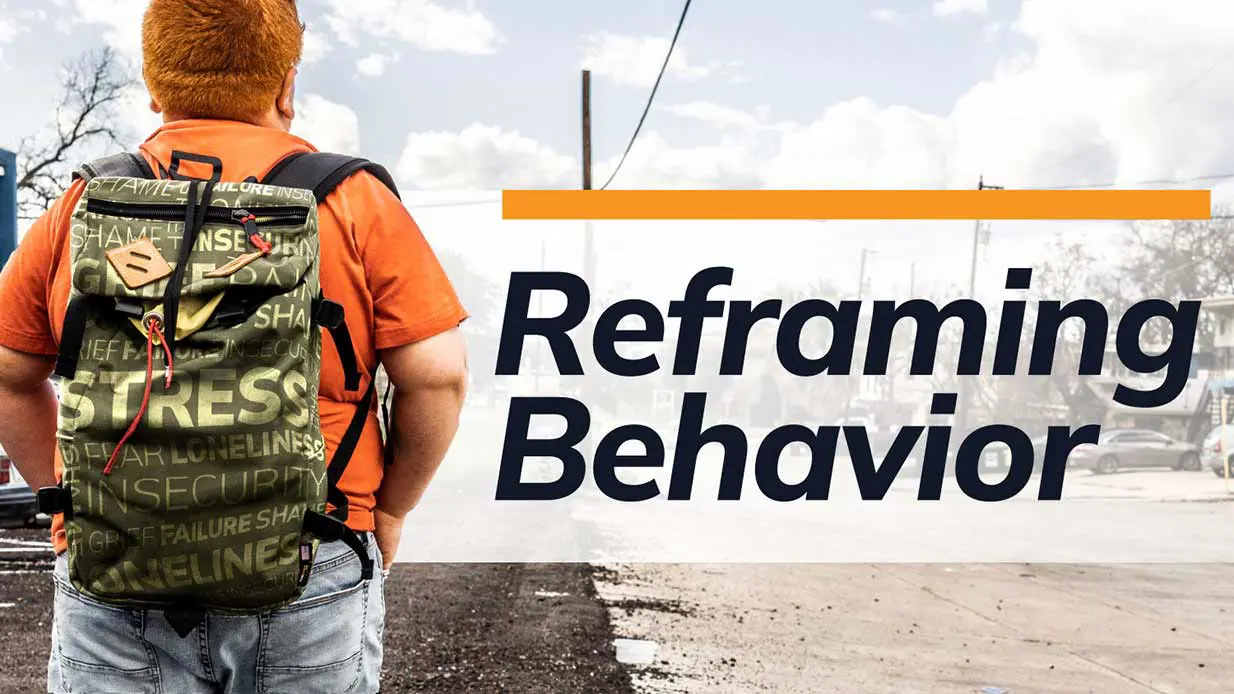
Kids carry more than their backpacks to school. They carry traumas, insecurities, pressures, and anxieties from their everyday lives. Reframing Behavior is a new schoolwide training program that unpacks the latest neuroscience research to help all educators build a more positive, supportive learning environment and prevent disruptive behavior.
What You’ll Get
An annual schoolwide subscription of Reframing Behavior includes:

Professional Development
Day Curriculum
Available for blended or all-classroom delivery

On-Demand
Learning Library
Full access to online modules and additional resources

Activities for Professional
Learning Communities
Prompts designed to reinforce learnings at staff meetings

Implementation Training
and Ongoing Support
Assistance with content setup and schoolwide rollout plan
Bring Reframing Behavior to Your School or District
We’re here to help answer your questions about schoolwide implementation and pricing to fit your needs and budget.
Let's ConnectCreate a Framework for Change
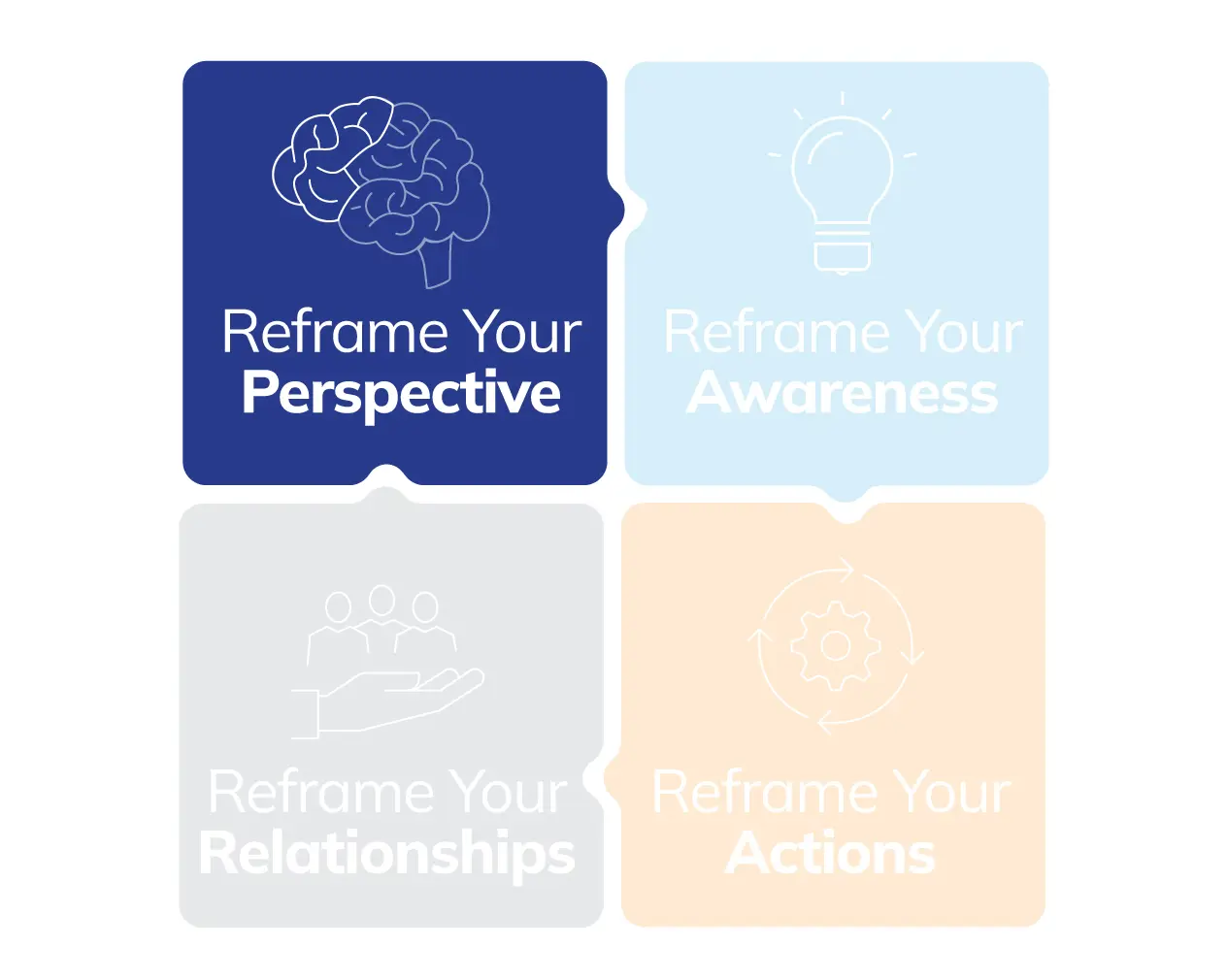
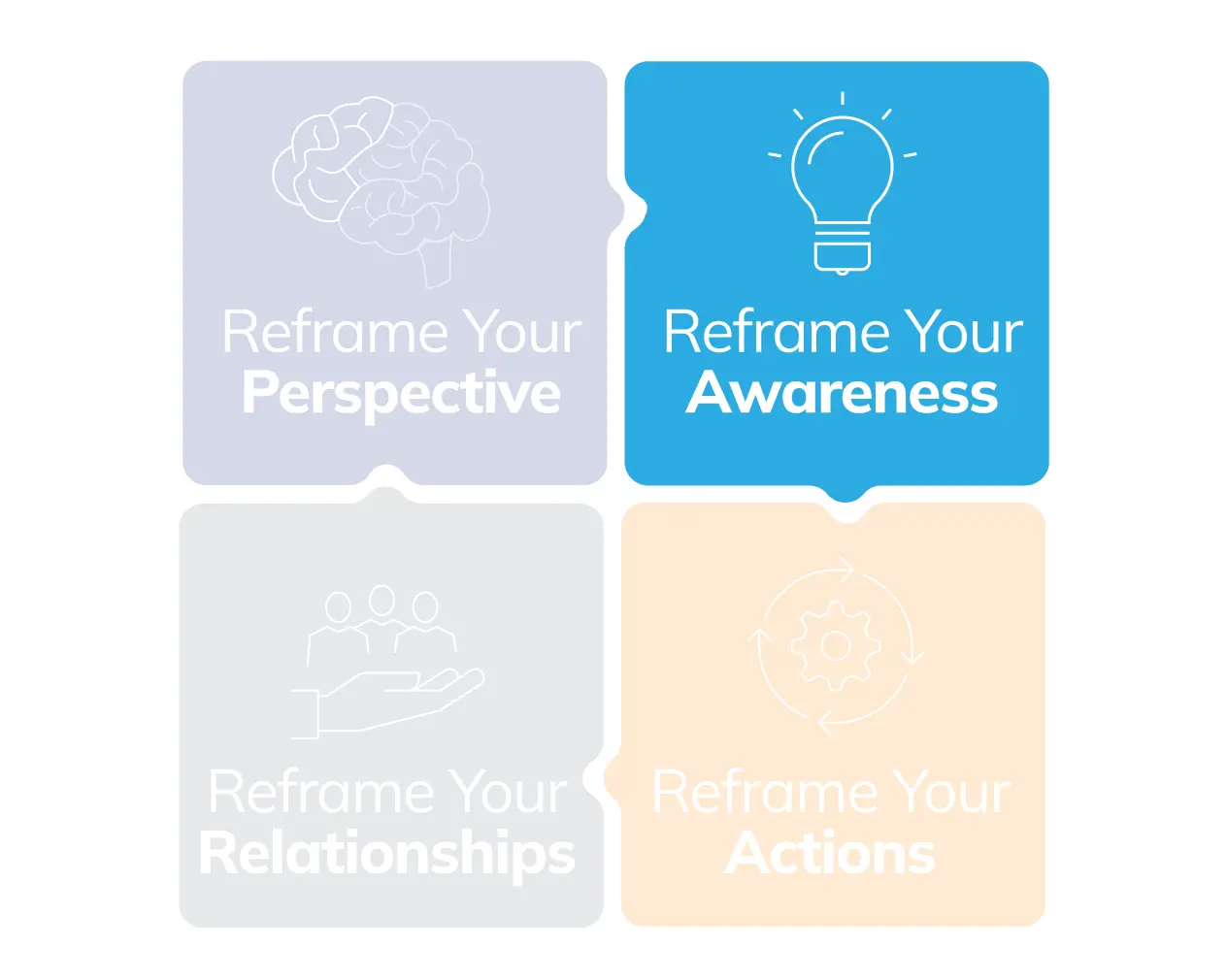
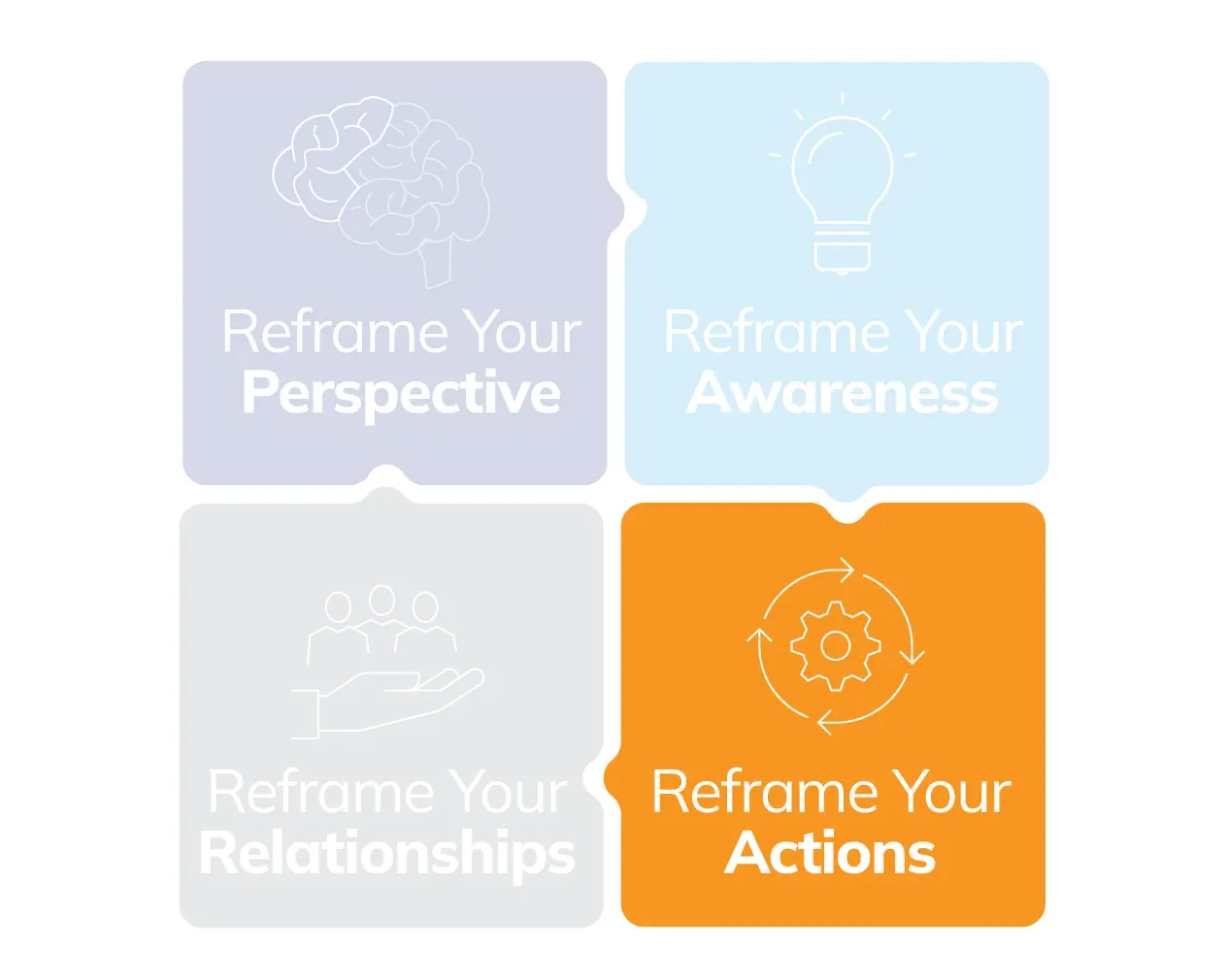
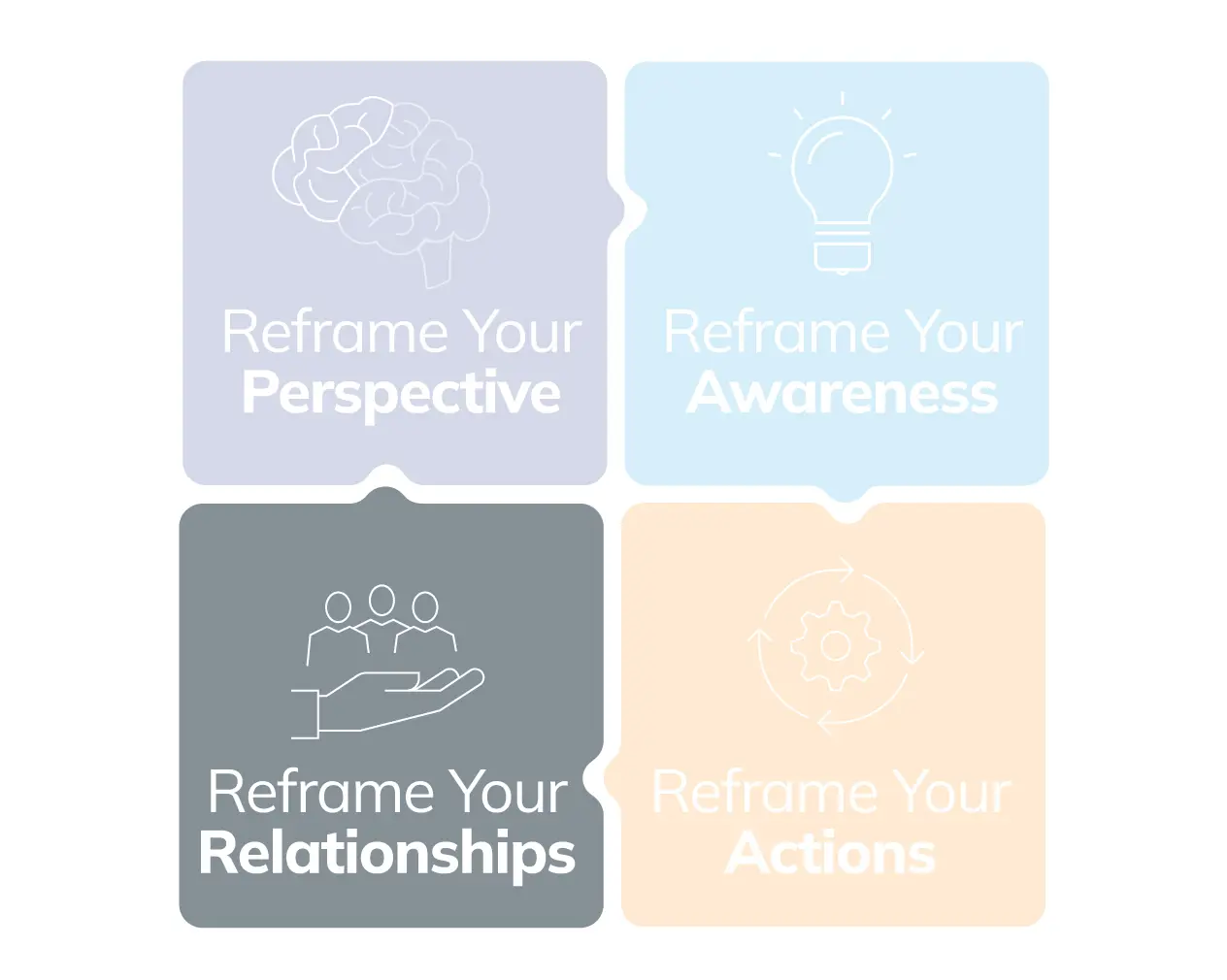
The training program is built on four key elements:
Frequently Asked Questions About Reframing Behavior
Reframing Behavior™ is a neuroscience-based schoolwide training program designed for all educators. This evidence-based program teaches educators how trauma and stress affect students' behavior and ability to learn, while providing them with the skills to regulate their own emotions.
The program is specifically designed for educational professionals who work with students carrying traumas, insecurities, pressures, and anxieties from their everyday lives. It serves all educators within a school system, helping them understand how the brain and body react to stress and anxiety, which can significantly impact both teaching and learning.
Reframing Behavior™ is built on four core elements that create a comprehensive framework for change:
- Reframe Your Perspective: Understanding how neuroscience connects to learning, behavior, and mental health
- Reframe Your Awareness: Practicing emotional regulation through interactive experiences
- Reframe Your Actions: Recognizing that behavior is not solely a matter of choice
- Reframe Your Relationships: Learning powerful relationship skills for common situations
The program helps educators see all behavior through a neuroscience lens, helping students exit fight, flight, or freeze mode and enter learning mode. Available as an annual schoolwide subscription, it includes professional development curriculum, an on-demand learning library, activities for professional learning communities, and implementation training with ongoing support.
This training enables educators to build more positive, supportive learning environments and prevent disruptive behavior by understanding the neuroscience behind student responses.
Each school will designate one (1) Reframing Behavior Facilitator, who is trained on all course material by CPI. The Facilitator is then responsible for training their staff and overseeing the program’s success. Once staff are trained, they will be granted full, on-demand access to the Learning Library.
The Learning Library includes several digital resources available on-demand, including course micro-learnings, articles, book summaries, videos, and suggested Professional Learning Community activities.
If you have additional questions about Reframing Behavior, please feel free to contact us.
Tiered pricing is available based on the number of schools in a district and/or the number of teachers in a school. Connect with us to discuss the right price for your school or district.
Neuroscience research reveals that challenging student behavior often stems from the brain's natural protective mechanisms rather than deliberate misbehavior. When students feel unsafe (whether physically or emotionally) their amygdala activates a fight, flight, or freeze response. This stress response can manifest as defiance, withdrawal, or aggression, not because the student is choosing to misbehave, but because their brain is doing its best to protect them.
Understanding behavior through a neuroscience lens helps educators recognize that students carry more than their backpacks to school. They carry traumas, insecurities, pressures, and anxieties from their everyday lives. When educators view behavior through this scientific framework, they better understand how stress affects both the brain and body, enabling them to implement more supportive and inclusive classroom strategies.
This neuroscience perspective emphasizes that challenging behaviors are often signs of stress and dysregulation rather than intentional defiance. By recognizing these signs, educators can use proactive strategies to co-regulate with students and guide them back to a place of calm and connection. This approach helps create a more positive, supportive learning environment and can prevent disruptive behavior from occurring.
The key insight from neuroscience is that behavior influences behavior—how educators react and present their emotions will impact how students respond as well. Rather than reacting to challenging situations, educators can use their understanding of the brain's stress responses to respond more effectively and compassionately.
CPI offers training for schools and teachers through our Nonviolent Crisis Intervention® program. This evidence-based training equips educators with proactive de-escalation strategies to create safer, more positive learning environments.
Our approach involves training select teachers to become Certified Instructors for your school. These Certified Instructors then conduct ongoing trainings with their colleagues using CPI courses and materials. This train-the-trainer model ensures sustainable implementation and skill reinforcement throughout your educational organization.
The training provides teachers with essential tools for safe de-escalation, helping to decrease office referrals while increasing staff morale. School districts that have implemented CPI training report significant improvements including:
- More positive school culture and reduced disciplinary issues
- Decreased classroom disruptions and increased staff confidence
- Reduced fights, assaults, and out-of-school suspensions
- Improved academic achievement and positive peer-to-peer relationships
Our world-renowned Global Professional Instructors deliver engaging, interactive training sessions that prepare educators to begin each school year with effective strategies for managing challenging behaviors.
CPI also offers additional training options such as Reframing Behavior™, De-escalation Basics™, and De-escalation Basics™ for Bus Drivers to support a schoolwide culture of safety.
Get Started Today