8 Effective Strategies to Prevent Bullying on the School Bus
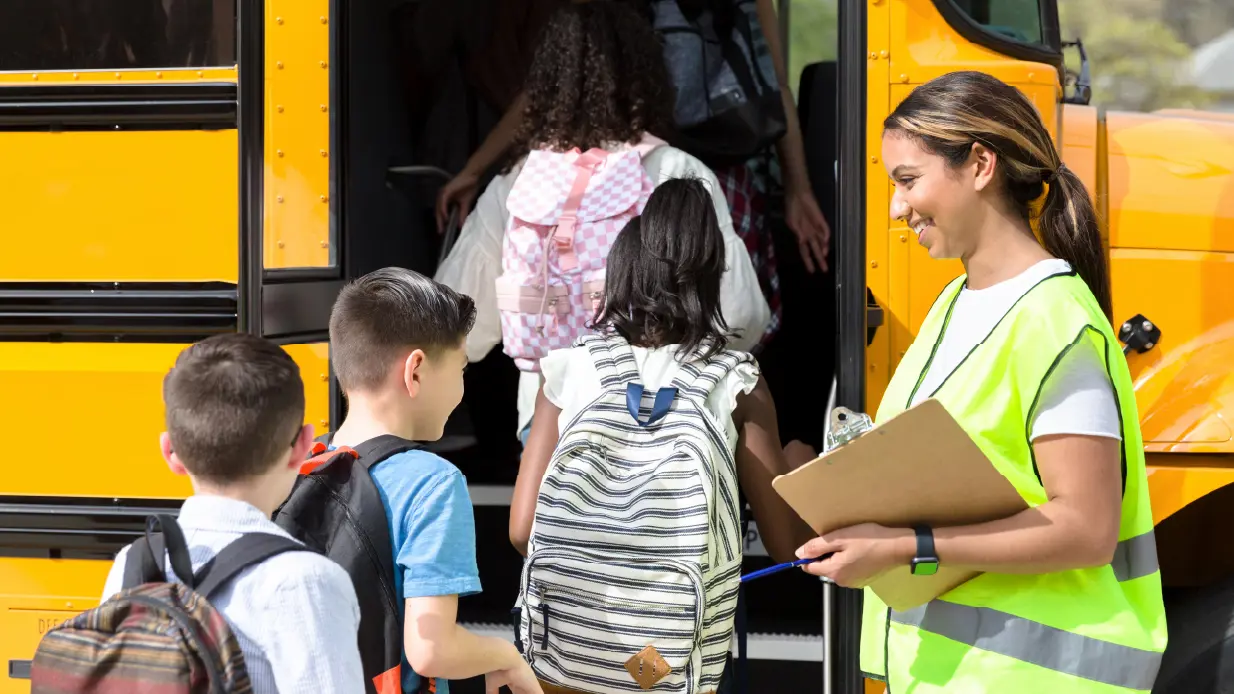
From the bus stop to the classroom, every part of a student’s day should feel safe. But for many, the school bus is where bullying begins—and often goes unnoticed.
With drivers outnumbered by as many as 70 to 1, it's easy for disruptive behavior to go unnoticed. Since the COVID-19 pandemic, student behavior challenges have only intensified. In fact, a recent School Transportation News poll revealed that nearly 83% of bus drivers have seen a rise in disruptive behavior since the pandemic.
Creating a safe ride to school is about prevention, felt safety, and equipping drivers with the tools to respond effectively.
Why the Bus Is a Hotspot for Bullying
The school bus operates very differently from a classroom. While classrooms typically include multiple adults, clear routines, and structured supervision, buses often have just one adult whose main focus must be on the road, not student behavior.
That lack of close monitoring, combined with students sitting in tight groups, can create an environment where negative peer dynamics go unchecked. Without intervention, teasing, exclusion, or bullying can escalate quickly.
The result? A high-risk setting where bullying may begin long before students walk through the school doors.
So how can schools prevent bullying on the school bus? Here are some of the most effective strategies for preventing and de-escalating bullying on the school bus.
1. Look for Warning Signs
Some warning signs are more obvious—pointing, laughing, and physical aggression—but most bullying happens under the radar. If you see behavior that seems out of character or isolating, it’s worth a closer look. Students who are unusually quiet, avoid eye contact, or seem anxious during pickup or drop-off may be experiencing bullying.
Creating a culture of safety starts with connection. When drivers greet students by name, establish clear expectations, and consistently reinforce positive behavior, it sets the tone for respectful interactions.
2. Use Positive Behavior Interventions and Supports (PBIS)
PBIS offers a proactive framework for creating a safer, more respectful environment on the school bus. By reinforcing positive behavior, PBIS helps students understand what’s expected—and why it matters.
You can do this by greeting students by name, noticing their moods, and celebrating small wins. These consistent interactions help build rapport and reduce the likelihood of conflict. When students feel seen and valued, they’re more likely to engage in respectful behavior—and more likely to speak up when something isn’t right.
3. Set Clear Expectations
Clear expectations are the foundation of safe behavior. When students know exactly what’s expected—and those expectations are reinforced positively—they’re far more likely to meet them.
Start by keeping it simple: choose a few positively worded rules like “Stay in your seat,” “Use kind words,” and “Keep hands and feet to yourself.” Make them visible and revisit them regularly, especially after breaks or changes in routine.
Don’t assume students know what these look like in action—model them. Practice them. Use quick reminders and praise when you see students following through.
Proactive Approaches to Address School Bullying
Gain a deeper understanding of bullying, its impact on students, and how you can create a classroom that stops bullying from starting in the first place.
4. Encourage Peer Support
Peers can play a powerful role in either reinforcing or stopping bullying behavior. Encourage older or more responsible students to model respectful behavior and look out for younger riders. You might even establish a simple peer mentorship program, pairing older students with younger ones on longer bus routes.
When students feel responsible for one another, it builds a collective sense of safety—and helps disrupt the social dynamics that enable bullying.
5. Use Consistent Language
From the bus stop to the hallways, creating a shared language schoolwide can create consistency for students. When the same behavioral language is used in the classroom, the hallway, and on the bus, students receive a unified message.
Collaborate with school staff to align the way expectations are communicated. Phrases like “Use kind words” can be echoed by drivers, teachers, and staff to reinforce schoolwide norms in a familiar and supportive way.
6. Build Safe Relationships
Relationships are the foundation of safety. When students feel seen and valued by their bus driver, they’re more likely to respond positively—and to speak up if something feels wrong.
Simple rational strategies like greeting each student by name, checking in when someone seems off, and celebrating good behavior can go a long way in building trust. As with any relationship, consistency and authenticity are key.
7. Know Your School’s Bullying Policies
Drivers are a critical part of the school community—and that includes knowing the policies around bullying. Make sure you understand your district’s definitions, reporting procedures, and protocols for escalating concerns.
If you witness or suspect bullying, report it according to policy. When drivers document and share what they observe, it helps the larger team intervene early and effectively.
8. Invest in Preventative Training
Even experienced drivers benefit from ongoing training—especially when it comes to managing today’s complex behavioral challenges. Prevention starts with preparation. And that’s why we created De-escalation Basics™ for Bus Drivers.
De-escalation Basics™ for Bus Drivers is a 25-minute online course that equips drivers with practical, easy-to-use strategies to recognize, respond to, and reduce escalating behaviors. It supports a whole-school approach to creating a consistent, predictable, and emotionally safe ride for every student.
Explore De-escalation Basics™ for Bus Drivers
A Safer Ride Starts with You
Preventing bullying on the school bus isn’t just about spotting negative behavior—it’s about creating a culture where every student feels safe, seen, and supported. With the right strategies and a proactive approach, drivers can become powerful allies in preventing bullying before it starts.
When you invest in prevention and give drivers the tools they need, you're not just protecting students—you’re shaping a safer, more connected school day from the very first stop.
Want to equip your drivers with simple, effective strategies? Explore De-escalation Basics™ for Bus Drivers and take the first step toward safer, more supportive routes for every student.