Classroom Behavior Strategies That Work: What Educators Can Learn from the Neuroscience of Connection
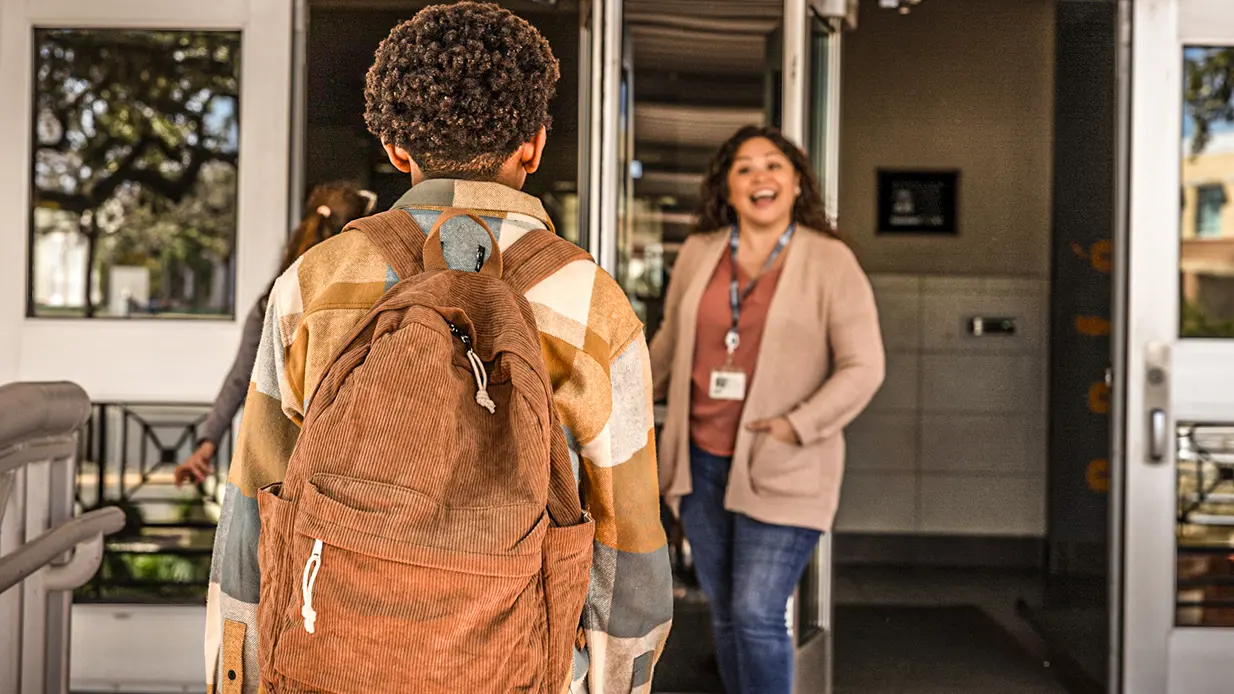
Students are carrying more stress into the classroom and traditional discipline approaches are not always creating the change schools hope for. What is beginning to make a difference is something both simple and profound, the teacher-student connection.
In a recent EdWeek-hosted webinar, CPI President Susan Driscoll and VP of Training Jeff Schill explored how understanding the brain’s response to stress can help educators strengthen classroom relationships and improve student outcomes. Their discussion blended neuroscience with real examples from schools that are rethinking how they approach behavior.
The conversation began with a powerful idea: behavior is communication. When students feel unsafe, unheard, or disconnected, their brains move into survival mode, which makes it harder to focus, follow directions, or learn. Driscoll and Schill discussed research on Adverse Childhood Experiences (ACEs) and Positive Childhood Experiences (PCEs), showing how early environments shape a student’s ability to regulate emotions and engage in the classroom.
Teachers do not need complicated programs or new tools to make an impact. Small, consistent actions such as greeting students by name, using a calm tone, offering choices, and finding moments to connect can literally help rewire the brain through a process called neuroplasticity. These everyday gestures build what Schill described as “felt safety,” the experience of feeling both safe and understood, which is essential for learning.
Driscoll emphasized that meaningful change happens when entire school teams share a common understanding of how behavior, safety, and connection are linked. When that happens, educators move from simply managing behavior to reframing it, and that shift can change everything about the classroom experience.
The shift from managing behavior to Reframing Behavior™ is where schools begin building the consistency, connection, and confidence that transform classrooms.
For educators who want to build calmer, more connected classrooms, the insights from this conversation offer a fresh perspective and real encouragement. Every interaction is a chance to strengthen trust, influence the brain, and help students thrive, one relationship at a time.
You can watch the full webinar on demand in CPI’s Video Library to hear directly from CPI leaders Susan Driscoll and Jeff Schill in Reframe Relationships, Transform Student Outcomes.
Schedule a Consultation
Learn how CPI’s training programs can benefit your organization.
Let's Connect