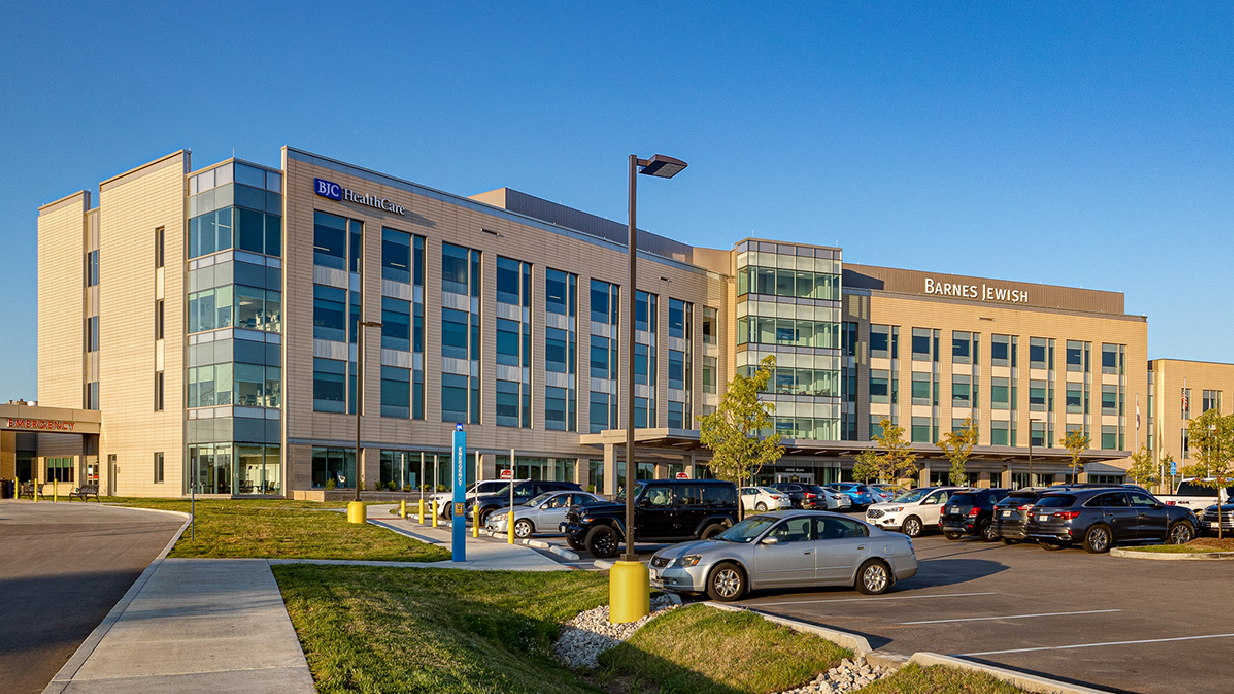
Scaling System-Wide Crisis Prevention Training at BJC HealthCare Across 30,000 Employees
Situation
BJC HealthCare is a Midwest-based health care system with more than 30,000 employees across 18 locations. After identifying that inconsistent crisis prevention training left team members vulnerable to unpredictable workplace safety risks, BJC partnered with CPI. This was the first step in transforming their approach into a unified, system-wide program.
The organization needed a standardized training program management process that prioritized staff safety and confidence, allowing employees to focus on providing patient-centered care.
Solution
BJC partnered with CPI in 2023, using a structured mix of de-escalation training programs to create a coordinated approach across all facilities.
Guided by recommendations defined through the risk mapping process, CPI programs were delivered to staff based on role and risk level, including:
- Prevention First™
- Verbal Intervention™
- Verbal Intervention™ with Disengagements
- Nonviolent Crisis Intervention® (NCI™)
- NCI™ With Advanced Physical Skills
To support consistent workplace training implementation, BJC established the CPI Health Service Organization (HSO) Lead Support Group in 2024. These recurring checkpoints enabled program leaders to align on goals, share materials, and address challenges in real time, providing the resources needed to shift to a training model that was scalable system-wide.
Results
Within just nine months of collaboration, BJC made rapid progress in scaling its de-escalation training approach. By overcoming challenges like low instructor capacity and stakeholder engagement, risk mapping inaccuracies, and classroom management inconsistencies, CPI training was administered to 59% of all 30,000+ employees. As programs continue to be implemented, risk mapping is regularly reassessed to determine training needs for each role.
Leadership engagement played a critical role in driving adoption, and BJC is now making progress towards its goal of training 100% of its workforce in relevant CPI programs by the end of 2026. This commitment demonstrates how health care systems can prioritize staff safety through scalable, coordinated crisis prevention training.
“Regular collaboration between hospital leadership and CPI allowed teams to share solutions and best practices while fine-tuning the CPI program to meet local needs. This helped build momentum, turning the CPI program into a meaningful systemwide practice giving staff the skills and support they need to feel prepared, protected, and safe.”
Sarah Sidwell, MSN, RN, CMSRN, NPD-BC
Clinical Education Specialist, Center of Practice Excellence at Barnes Jewish Hospital
“Ongoing risk mapping transforms CPI assignments from static coverage to dynamic, well-matched training, placing the right employee, with the right skills, in the right situation at the right time”
Jan Murphy, MSN, RN, NPD-BC
Clinical Education Specialist, St. Louis Children’s Hospital
Download the one-pager to see how BJC built a scalable, role-based crisis prevention training model by partnering with CPI.
Take the Next Step to Enhance Safety and Care at Your Facility
Learn how CPI can help you achieve measurable results.
Let's Connect