How to Create a Safe Classroom Learning Environment: 9 Strategies
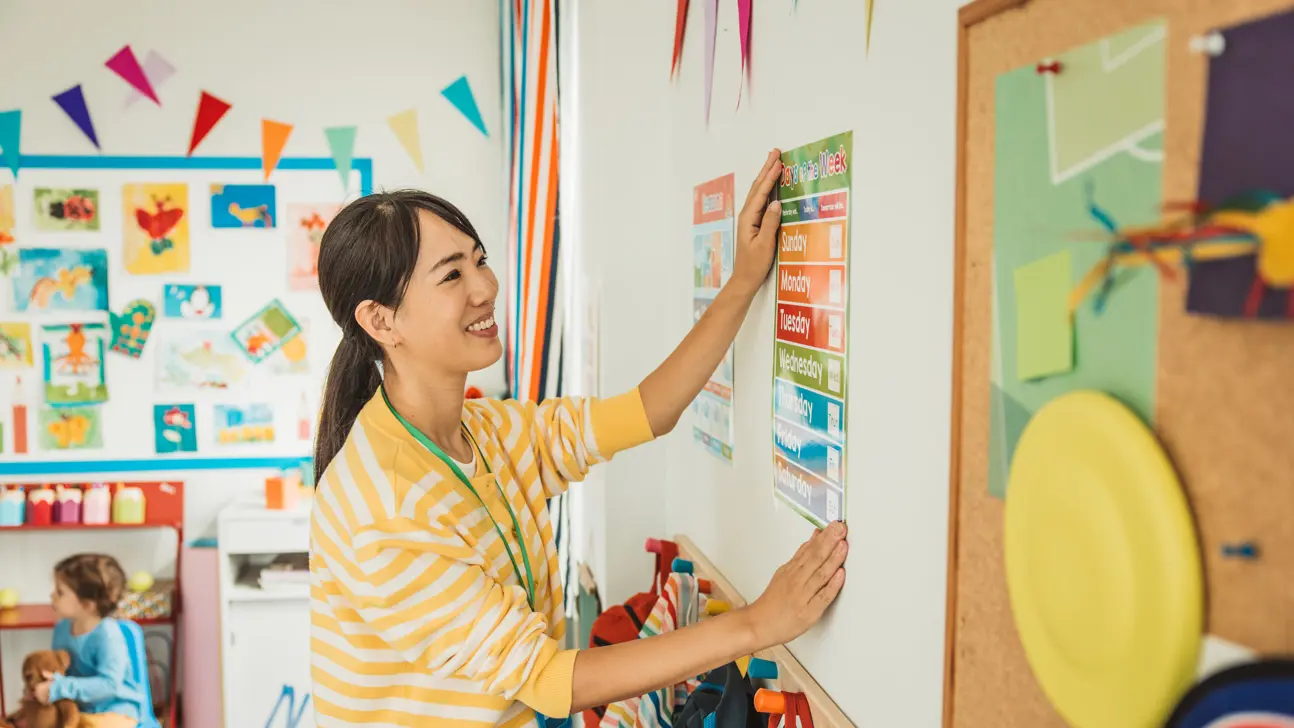
The start of a new school year is an exciting, albeit busy, time. Between lesson planning, classroom setup, and curriculum prep, it's easy to overlook one of the most important foundations of learning: helping students feel safe—physically and emotionally.
Creating a safe classroom learning environment means combining physical comfort, predictable routines, and emotional trust so students feel secure enough to learn. In practice, that looks like sensory-friendly spaces, consistent behavior supports, and a judgment-free culture where every student feels they belong.
When students feel secure and connected, their brains are more likely to engage the prefrontal cortex—the part responsible for reasoning, problem-solving, and learning. But without that felt safety, the brain stays in survival mode, making it harder for students to focus and participate.
So how can you create a classroom environment that supports safety and connection from day one?
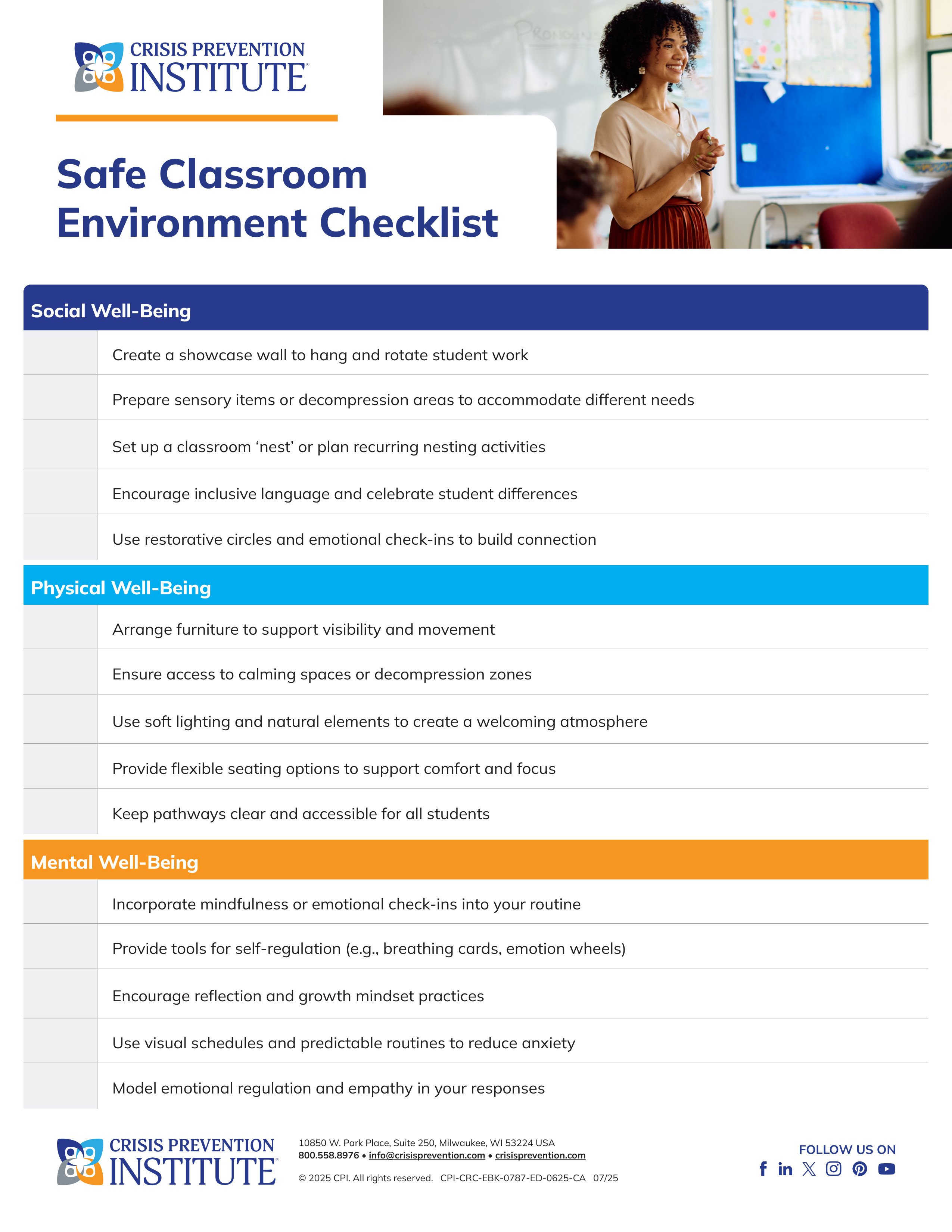
Start with these nine strategies and download the Safe Classroom Environment Checklist to build a space where every student can thrive.
Download the Free Checklist for Teachers
1. Showcase Student Work
Displaying student work is one of the simplest ways to build a safe classroom environment. Hanging up student work adds color and personality to bare classroom walls—but it also serves a deeper purpose: helping students feel ownership and connection.
When students see their work displayed, they experience a sense of pride and inclusion. It signals that their voice matters and that they belong in the space. Rotate displays regularly to ensure every student feels seen and celebrated.
2. Accommodate Sensory Needs
Accommodating sensory needs is a key part of a safe classroom learning environment, since overstimulation can push students out of a regulated state before learning can happen. For some students, sensory input can be overwhelming or distracting. But with shrinking budgets, purchasing sensory tools may not always be feasible.
Here are some low-cost ways to support students' sensory needs:
Type of Sensory Support Tool |
Use Tips |
|---|---|
| Lighting | Use natural light when possible. If overhead lights are harsh, turn off a few or use lamps with softer bulbs. |
| Sound | Allow students to use earplugs or noise-dampening headphones, including inexpensive foam options. Play calming background music or white noise during independent work time. |
| Movement | Build in regular movement breaks. Let students stand, stretch, or walk to a designated corner of the room to reset. |
| Touch | Offer textured materials like fabric swatches, pipe cleaners, or a piece of Velcro under desks for tactile input. |
| Visuals | Use visual schedules and calm color palettes to reduce visual clutter and help students anticipate transitions. |
| Space | Create a “quiet zone” using a corner, a beanbag, or a desk with a privacy divider where students can decompress. |
These small adjustments can make a big difference in helping students feel regulated and ready to learn—without requiring a big investment.
3. Build a Classroom “Nest”
In the classroom, the nest—a concept coined by Dr. Lori Desautels—is a dedicated space, physical or emotional, built to meet students' bio-social-emotional needs. Think of a bird building a nest: it gathers materials to create a secure space for growth and development.
This space can be physical, like a cozy corner, or emotional, like a daily check-in routine.
Ideas include:
- Restorative circles for self-regulation
- Feelings drawing sessions
- Morning nervous system check-ins
However you bring it to life, a classroom “nest” helps students feel safe, seen, and supported.
4. Mindfully Arrange Your Classroom
Classroom layout directly affects how safe and supported students feel, so it's worth arranging with intention rather than convenience alone.
Arrange desks to promote collaboration and visibility. Ensure pathways are clear and that calming spaces are accessible. Use natural elements and flexible seating to create a welcoming atmosphere. A thoughtfully arranged space can reduce anxiety and support focus.
5. Use Positive Behavior Supports
Positive Behavior Interventions and Supports (PBIS) is a proactive, student-centered framework that pairs behavioral science with compassionate responses to challenging behavior.
If your school doesn't already use PBIS, consider implementing its principles in your classroom. Focus on:
- Teaching what good behavior looks like
- Reinforcing positive actions
- Providing consistent, compassionate responses to misbehavior
6. Encourage Self-Regulation
Self-regulation is a skill that can be taught and practiced, and it's foundational to a safe classroom learning environment. Help students recognize and regulate their emotions using tools like breathing exercises, journaling, or movement. Incorporate daily check-ins, mindfulness moments, or emotion charts to build emotional awareness and resilience. When students can regulate themselves, they're better equipped to learn and connect.
Download the Safe Classroom Learning Environment Checklist
7. Create a Judgment-Free Culture
A judgment-free culture is built on trust, empathy, and belonging, and it's essential for students carrying trauma, isolation, or fear of being misunderstood.
Students today bring a wide range of experiences, identities, and emotions into the classroom. Some may carry the weight of trauma; others may feel isolated or misunderstood. That's why it's essential to intentionally foster a space where every student feels safe to be themselves.
Here's how:
Strategy |
How to Apply It |
|---|---|
| Model vulnerability and respect | Share your own learning moments and show students that mistakes are part of growth. |
| Establish shared norms | Co-create classroom norms with your students that emphasize kindness, listening, and inclusion. |
| Celebrate differences | Highlight diverse cultures, abilities, and perspectives through books, discussions, and classroom visuals. |
| Create space for every voice | Use strategies like talking circles, anonymous question boxes, or journaling to ensure all students can express themselves safely. |
When students know they won't be judged for who they are or how they learn, they're more likely to take academic risks, build relationships, and thrive emotionally.
8. Create Predictable Routines
Predictable routines build trust and are one of the fastest ways to make a classroom feel safe. Use visual schedules, clear transitions, and repeated rituals, like morning meetings or end-of-day reflections, to help students feel secure.
Predictable routines:
- Reduce anxiety
- Support executive functioning
- Create a sense of stability—especially for students who've experienced trauma or change
9. Explore Your Personal Beliefs
Your own beliefs about behavior shape how safe your classroom feels, since behavior influences behavior. As an educator, your response to student behavior sets the tone.
Take time to reflect on your own beliefs about behavior. For example, if a student repeatedly talks out of turn, do you react with frustration—or curiosity? Do you pause to regulate your own emotions before responding?
Understanding the neuroscience behind student behavior—and your own reactions—can help you de-escalate situations and model emotional intelligence.
Foster a Culture of Safety This School Year
A safe classroom doesn't happen by accident—it's built with intention. By implementing these nine strategies, you're not just preparing your space; you're preparing your students to thrive.
Start the year strong by fostering a culture of safety, connection, and growth.
Explore Classroom Culture™ Training
Schedule a Consultation
Learn how CPI’s training programs can benefit your organization.
Let's Connect