What’s New in Classroom Culture™, 2nd Edition: Q&A with CPI President, Susan Driscoll
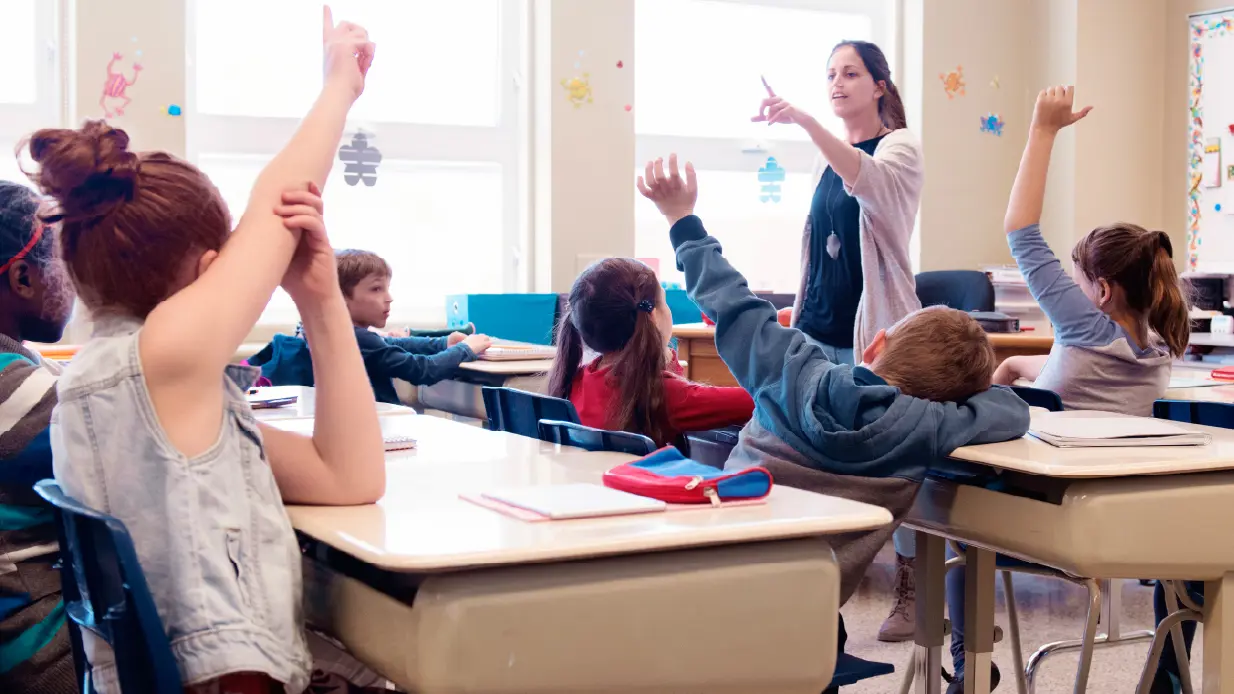
In today’s classrooms, students face more challenges than ever before. Disruptive behavior, stress, and trauma can all affect learning, but with the right tools, teachers can create safe environments where every student can thrive. That’s where Classroom Culture, 2nd Edition comes in.
We sat down with CPI President Susan Driscoll to discuss the latest updates to this foundational training, including a more practical skills focus, an easier delivery method, and closer alignment to education frameworks.
"It's not often that an entire group of teachers is practicing the same skill, at the same time, and reinforcing it together. We've created the structure to make that possible—to reinforce a more supportive school climate." —Susan Driscoll, CPI President
Q: What is Classroom Culture?
Classroom Culture is a schoolwide training based on core practices designed to help build classroom management skills, reduce disruptive behaviors, and create a positive learning environment so that teachers can focus on teaching and students can focus on learning.
Q: Why did CPI create a new edition of Classroom Culture?
We wanted Classroom Culture, 2nd Edition to better reflect the issues teachers face today and connect to the structure and vocabulary in our other CPI training programs, like Verbal Intervention™, De-escalation Basics™, and Nonviolent Crisis Intervention®. By giving teachers essential skills, our goal is to reduce referrals to Tier 2 and Tier 3 and have a coordinated and common approach when they occur.
Q: What’s new with Classroom Culture, 2nd Edition?
We introduced a new model that is more closely connected with CPI’s core principles—trauma-informed, person-centered, and consistently-applied—and we’ve more purposefully aligned the six core practices with existing school frameworks like Positive Behavioral Interventions and Supports (PBIS) and Multi-Tiered System of Supports (MTSS).
We also made some significant changes to the original Classroom Culture core practices. For example, we shifted from Restorative Approaches to Constructive Consequences, and added Establishing Expectations as a standalone module to help teachers weave their school expectations into their classroom management practices.
We incorporated basic neuroscience-based principles to help teachers understand what causes student behavior and how to use classroom management skills to prevent disruptions.
Q: What are the top three benefits of Classroom Culture, 2nd Edition?
- It gives teachers clear, actionable strategies that can be used immediately to improve classroom climate and reduce disruptive behaviors.
- It provides a common language and a set of practices the whole school can use together.
- It builds habits because single professional development days are not enough.
With this training, teachers don’t just hear about abstract routines or skills. They continuously practice them as a team, reinforcing each other along the way. That collective, intentional focus is what drives long-term change, reducing classroom disruptions so students and teachers can focus on learning.
Q: Did you change how Classroom Culture, 2nd Edition is delivered?
Yes. Based on client feedback, we removed the online course requirement, streamlined the content to be more skills-based, and redesigned the training in a modular format, so it’s much easier to teach and consume. Instructors now have the flexibility to roll out the training, schoolwide, in any order, on their own timeframe, based on their school's unique needs.
5 Tips to Practice Emotional Regulation in the Classroom
Emotional regulation is key to a calm classroom. These tips will help you better understand and manage your emotions and help students do the same.
Download ResourceQ: How does Classroom Culture, 2nd Edition align with existing frameworks like PBIS and MTSS?
Very closely. In fact, we revised Classroom Culture, 2nd Edition with PBIS and MTSS in mind.
For example, we now dedicate an entire module to schoolwide expectations, where teachers learn how to bring abstract pillars like “safe, respectful, and responsible” to life in classrooms using language and routines. It’s no longer just a poster on the wall—it’s embedded in how teachers speak and respond to students.
Educators already working within a PBIS or MTSS framework will immediately recognize how this training supports and strengthens what they’re already doing.
Q: How does Classroom Culture, 2nd Edition complement Reframing BehaviorTM?
While Classroom Culture, 2nd Edition and Reframing Behavior are both CPI training courses for educators that utilize a neuroscience-based approach to help better understand behavior, they are unique and designed to work together.
Think of Reframing Behavior as one-to-one and Classroom Culture, 2nd Edition as one-to-many.
Reframing Behavior helps educators identify what drives student behavior on an individual level. It offers an in-depth look at neuroscience to reveal how stress and trauma affect the brain and body.
Classroom Culture, 2nd Edition helps teachers understand student behavior from a group perspective. It offers a higher-level introduction to neuroscience as it pertains to classroom behavior.
Educators can utilize both trainings. For example, you can teach “Reframe Your Awareness” from the Reframing Behavior training and pair it with “Being Calm” from Classroom Culture.
“Classroom Culture, 2nd Edition is a shift in how we help educators to lead with confidence and consistency. Whether you're already using PBIS or MTSS or just getting started, this training meets you where you are and helps move the entire classroom forward.” —Susan Driscoll, CPI President
Schedule a Consultation
Learn how CPI’s training programs can benefit your organization.
Let's Connect