Essential Tools to Calm Chaos on the Front Lines of Health Care
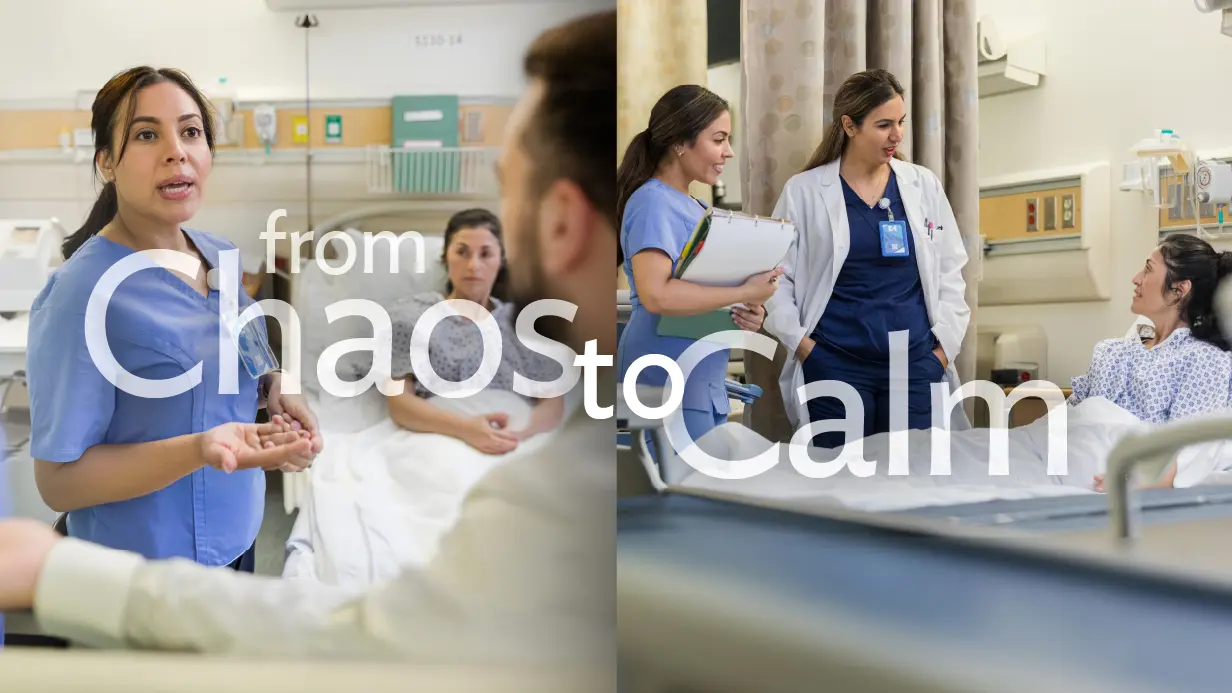
On the front lines, chaos can surface in an instant. Emotions run high. Situations escalate quickly. Staff are asked to balance compassion, safety, and clinical demands—often all at once.
The pressure is real, and it doesn’t stay outside the door. Stress, fear, and instability walk into care environments every day, shaping how patients and staff interact. In these moments, remaining calm is a critical safety skill. And like any skill, it requires the right tools.
The Rising Cost of Workplace Violence on the Front Lines
High patient volumes, long wait times, staffing shortages, and burnout all contribute to heightened tension. Staff are often left to “figure it out” in the moment. That uncertainty can lead to hesitation, inconsistent responses, or delayed intervention, increasing risk for everyone involved.
Without a shared framework for recognizing and responding to escalating behavior, staff face emotional and physical risk. Inconsistent responses can create confusion about:
- How serious a situation truly is
- What intervention is appropriate
- When and how to call for help
Over time, this erodes confidence. Staff may second-guess their instincts, hesitate to intervene, or feel unsupported by the organization. The result is higher stress, greater burnout, and increased turnover, along with a greater likelihood of workplace violence incidents.
Workplace Violence Prevention Training Annual Report
This report provides essential insights into the health care landscape, offering key data to enhance prevention strategies and create a safer environment for all.
Download NowHow Workplace Violence Prevention Improves Safety
Calm responses are built through preparation, shared understanding, and practice. CPI’s evidence‑based approach to workplace violence prevention helps health care teams replace uncertainty with clarity by equipping them with practical tools that support consistent, confident decision‑making, including:
- A shared response language that helps teams quickly align on behavior and risk
- Clear decision‑making pathways for prevention, de‑escalation, and response
- Skills that support safe verbal or physical interventions
Schedule a consultation to learn more about CPI’s workplace violence prevention training solutions.
Tools That Support Essential Workers
Creating calmer, safer care environments requires more than awareness. It requires tools that support staff before, during, and after high‑stress encounters.
Shared Response Language
A common language for behavior and risk removes guesswork. Teams can communicate clearly, escalate concerns appropriately, and act quickly without hesitation or confusion.
Early Risk Recognition
Escalation rarely happens without warning. Training helps staff identify early signs of distress and respond proactively, reducing the likelihood that situations reach a crisis point.
Proven Intervention Skills
While prevention and de‑escalation are critical, not every situation can be resolved verbally. Comprehensive workplace violence prevention training includes physical skills that prioritize safety when intervention is necessary.
Confidence Through Consistency
When teams know what to do—and trust that others will respond the same way—confidence grows. Staff feel supported, prepared, and empowered to act in the best interest of safety and care.
Evidence-Based Training Supports Safer Care
Health care professionals carry immense responsibility every day. They deserve training that recognizes the realities of their work and equips them to respond safely when it matters most.
When health care organizations invest in essential tools for essential workers, the impact reaches far beyond individual incidents. Staff experience greater confidence, reduced fear, and stronger trust in their teams. Patients benefit from more regulated, supportive environments. Organizations see stronger safety cultures, fewer workplace violence incidents, and less staff turnover.
CPI’s workplace violence prevention training helps health care teams move from chaos to calm by providing the essential tools needed to prevent escalation, respond confidently, and create safer, more supportive care environments.
Because on the front lines of health care, calm isn’t optional—it’s essential.